Thamel, Kathmandu, Nepal
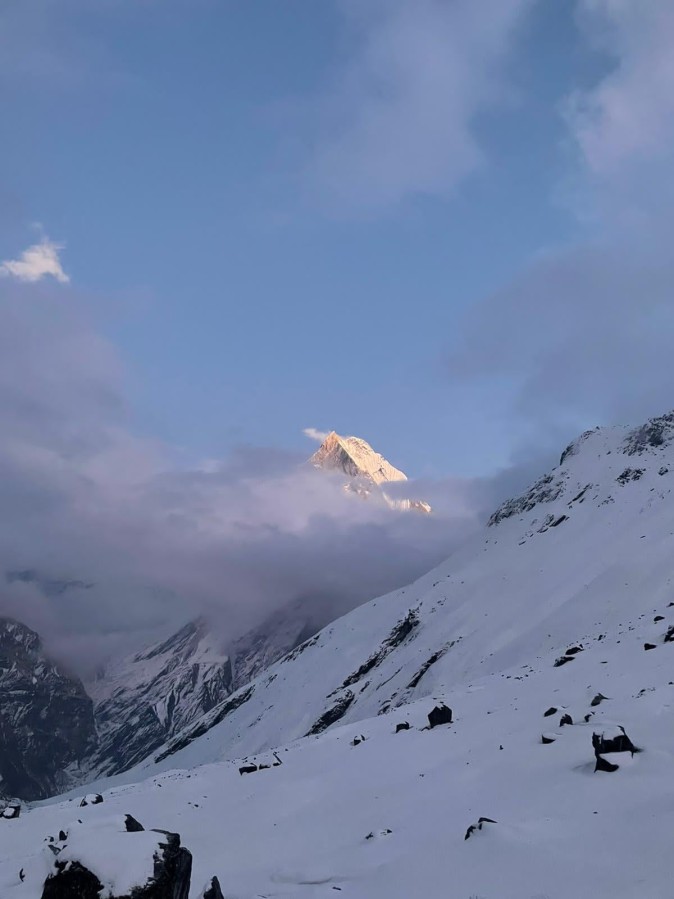
Choosing the best time to visit Annapurna Trek is one of the most important decisions you'll make when planning your Himalayan adventure — and it can make or break your entire trekking experience. Trek the Annapurna Circuit or Annapurna Base Camp during the wrong season, and you might face zero mountain visibility, leech-infested trails, or dangerously cold nights at high altitude. Get the timing right, and you'll walk beneath some of the most spectacular 8,000m peaks on Earth under clear blue skies, with comfortable temperatures and well-stocked teahouses along the way.
Nepal's Annapurna region experiences four distinct trekking seasons, each with its own character: crisp spring blooms, humid monsoon greenery, crystal-clear autumn skies, and quiet, snow-dusted winters. There is no single "perfect" month for everyone — the right season depends on what you want from your trek, whether that's unobstructed mountain views, fewer crowds, budget savings, or a specific type of scenery.
In this complete seasonal guide, we break down weather patterns, temperatures, trail conditions, crowd levels, and practical advice for every month of the year, so you can decide exactly when to trek Annapurna based on your own priorities. Whether you're planning the classic Annapurna Base Camp (ABC) Trek, the longer Annapurna Circuit, or a shorter Poon Hill trek, this guide will help you pick the ideal window for 2026.
If you'd like personalized advice for your travel dates, Orbit Nepal Adventure is happy to help — just reach out via WhatsApp and our team will tailor an itinerary to your chosen season.
The Annapurna region sits in the central Himalayas, where altitude, monsoon patterns, and the Tibetan plateau's rain-shadow effect combine to create sharply different conditions throughout the year. Trails that are lush and muddy in July can be bone-dry and dusty by October. A pass that's a simple walk in April might be buried under snow in January. Understanding these shifts helps you:
For the full Annapurna Base Camp itinerary you can check out : Annapurna Base Camp Trek Itinerary 2026: Day-by-Day Guide
Autumn is Nepal's most celebrated trekking season and is generally regarded as the best time to visit Annapurna Trek overall.
Trails are dry, firm, and well-maintained after the monsoon rains have cleared the dust and stabilized the paths. This is considered the most comfortable walking season.
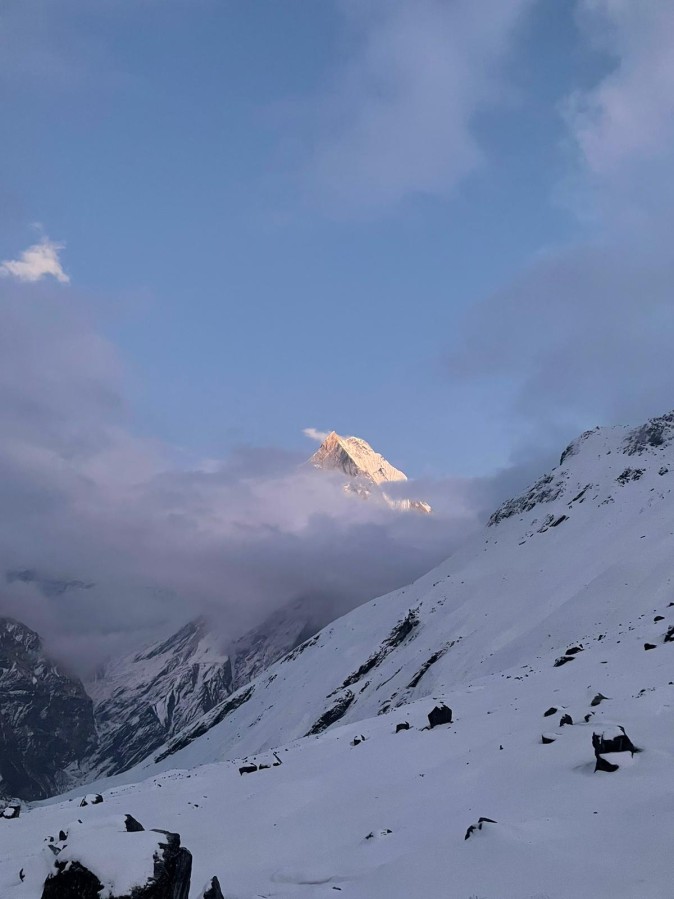
The best of the year. Crisp, clean post-monsoon air delivers consistently clear panoramic views of Annapurna, Machhapuchhre (Fishtail), Dhaulagiri, and Manaslu.
The highest of the year, particularly around the Dashain and Tihar festival periods and October–November weekends. Popular teahouses on the ABC and Circuit routes can fill up quickly.
First-time trekkers, photographers, and anyone prioritizing guaranteed mountain views. This is our top recommendation for most travelers, especially those trekking Annapurna Base Camp or crossing Thorong La Pass.
Spring is widely considered one of the two best seasons to trek Annapurna, rivaling autumn in popularity.
Trails are dry and stable after winter snowmelt in the lower valleys, though higher passes may still hold patches of snow in early March. By April, most routes are fully open.
Excellent in the mornings; afternoon haze and cloud buildup are common, especially closer to May, so early starts are recommended for the best photos.
Moderate to high — spring is peak season alongside autumn, so expect busy teahouses on popular routes like ABC and the Annapurna Circuit.
Spring's biggest draw is Nepal's national flower. From late March through April, the forests between Ghorepani and Poon Hill turn brilliant shades of red, pink, and white as rhododendron forests bloom — a spectacle unique to this season.
Photographers chasing floral landscapes, first-time trekkers wanting comfortable weather, and travelers who don't mind sharing the trail with other hikers.
Heavy snowfall can close high passes, including Thorong La (5,416m) on the Annapurna Circuit, which is frequently impassable from late December through February without a guide experienced in winter conditions. Lower-elevation routes, like a shorter Annapurna Base Camp or Ghorepani-Poon Hill trek, remain accessible.
Often superb — winter skies are typically the clearest and haze-free of any season.
Very low, with many teahouses at higher elevations closing for the season.
Experienced, well-equipped trekkers seeking solitude and clear skies on lower-elevation routes like ABC (below the pass-crossing sections) or Ghorepani-Poon Hill. Not recommended for first-timers attempting the full Annapurna Circuit with Thorong La.
Monsoon is the least popular season for the Annapurna Trek, but it has a dedicated niche following.
Trails become muddy and slippery, particularly below 3,000m. Leeches are common in forested sections. Landslides and trail washouts are a real risk in the lower Annapurna Circuit and Ghandruk areas, and some sections may require rerouting.
Poor to fair. Clouds obscure peaks most of the day, though early mornings occasionally offer brief, dramatic clearings.
Lowest of the year — teahouses are quiet, and you'll often have entire lodges to yourself.
Budget travelers, botany enthusiasts interested in monsoon flora, and experienced trekkers seeking solitude who don't prioritize mountain photography. Not recommended for first-timers or those short on time, given rerouting risks.
| Month | Avg. Day Temp (Lower Trails) | Rainfall | Mountain Visibility | Crowd Level | Best For |
|---|---|---|---|---|---|
| January | 5–10°C | Low (snow at altitude) | Excellent | Very Low | Solitude seekers, clear-sky photography |
| February | 6–11°C | Low (snow at altitude) | Excellent | Very Low | Cold-weather trekkers |
| March | 12–17°C | Low–Moderate | Good | Moderate | Rhododendron blooms begin |
| April | 15–20°C | Moderate | Good (morning) | High | Photographers, first-timers |
| May | 18–22°C | Moderate–High | Fair (hazy afternoons) | Moderate–High | Warm-weather trekkers |
| June | 20–24°C | High (monsoon starts) | Poor | Low | Budget travelers |
| July | 20–25°C | Very High | Poor | Very Low | Botany/flora enthusiasts |
| August | 20–25°C | Very High | Poor | Very Low | Solitude, lush scenery |
| September | 18–22°C | Moderate (monsoon ends) | Good (improving) | Moderate | Early autumn views |
| October | 15–20°C | Low | Excellent | Very High | First-timers, best views |
| November | 12–18°C | Very Low | Excellent | High | Photographers, clear skies |
| December | 8–13°C | Low (snow at altitude) | Excellent | Low | Quiet trails, lower routes |
The Annapurna region climbs from roughly 800m near Pokhara to over 5,400m at Thorong La Pass, so altitude sickness is a real concern regardless of season.
Spring & Autumn (Peak seasons):
Summer/Monsoon:
Winter:
Autumn (September–November) is your best bet — stable weather, clear views, and well-established trails make for a confidence-building first Himalayan trek.
Spring (April) or early Autumn (late September–October) offer comfortable temperatures and manageable trail conditions, especially on shorter routes like Ghorepani-Poon Hill.
Monsoon (June–August) offers the lowest teahouse and flight prices, though trekkers should be prepared for rain and limited mountain views. Winter (December–January) is a strong second option for savings with far better visibility.
Q.1. What is the best month to trek Annapurna?
➔ October and November are generally considered the best months, offering the clearest mountain views, stable weather, and dry trails. Late March to April is a close second, especially for rhododendron blooms.
Q.2. Does it snow on the Annapurna Trek?
➔ Yes, particularly above 3,000m from December through February. High passes like Thorong La can receive significant snowfall and may become temporarily impassable during peak winter.
Q.3. Can I trek Annapurna during monsoon season?
➔ Yes, but expect rain, muddy trails, leeches, and limited mountain visibility. Upper Mustang, in the rain shadow, is a popular monsoon alternative with drier conditions.
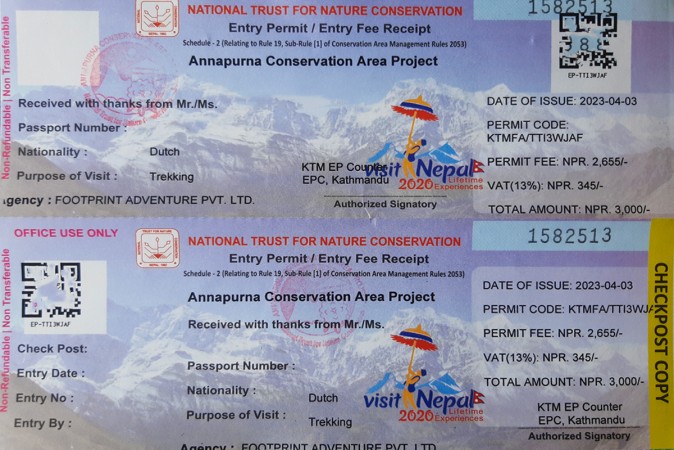
Q.4. Do I need a permit for the Annapurna Trek?
➔ Yes. All trekkers need an ACAP (Annapurna Conservation Area Permit) and a TIMS card, both obtainable in Kathmandu or Pokhara, or arranged through your trekking agency.
Our Orbit Nepal Adventure can help you on Trek permit too.
Q.5. How difficult is the Annapurna Trek?
➔ Difficulty varies by route. The Annapurna Base Camp Trek is considered moderate, suitable for trekkers with reasonable fitness. The full Annapurna Circuit, which crosses Thorong La at 5,416m, is more strenuous and requires prior high-altitude experience or careful acclimatization.
For easier cheaper and less crowded treks you can try having same level of adventures and scenery Manaslu Circuit Trek , Kanchanjeunga Trek , Madri Himal Trek , etc.
Q.6. What is the coldest month to trek Annapurna?
➔ January is typically the coldest, with nighttime temperatures at high camps dropping to -15°C to -20°C.
Q.7. Is Annapurna Base Camp accessible year-round?
➔ Yes, ABC remains accessible in all seasons, though winter requires proper cold-weather gear and monsoon requires readiness for rain and slippery trails. The higher Thorong La pass crossing on the Circuit route is the section most affected by winter closures.
There's no universal answer to when to trek — the best time to visit Annapurna Trek truly depends on your priorities. If you want the clearest mountain views and most reliable weather, autumn is hard to beat. If you're drawn to blooming rhododendron forests and don't mind some afternoon clouds, spring is a wonderful alternative. Budget-conscious and solitude-seeking trekkers might find monsoon or winter surprisingly rewarding, provided they come prepared for the season's specific challenges.
Whichever season you choose, proper planning — the right permits, gear, guide, and acclimatization schedule — will make all the difference between a good trek and an unforgettable one.
Book your Annapurna Circuit Trek with Orbit Nepal Adventure today for customized itineraries for every season and traveler type.
📲 Contact us directly on WhatsApp: Chat with us on WhatsApp
🌐 Visit: orbitnepaladv.com
📧 Email: orbitnepaladv@gmail.com
💬 Whatshapp: 9779841766021
Sources and further reading: Nepal Tourism Board, Annapurna Conservation Area Project (ACAP), Department of Hydrology and Meteorology, Nepal.