Thamel, Kathmandu, Nepal





If you have short time and still want to have mountain experience than Everest View
Trekking is one for you. This one of the shortest trek route in the Everest region; is earthly
is heaven for trekkers, climbers and mountain lovers in general.
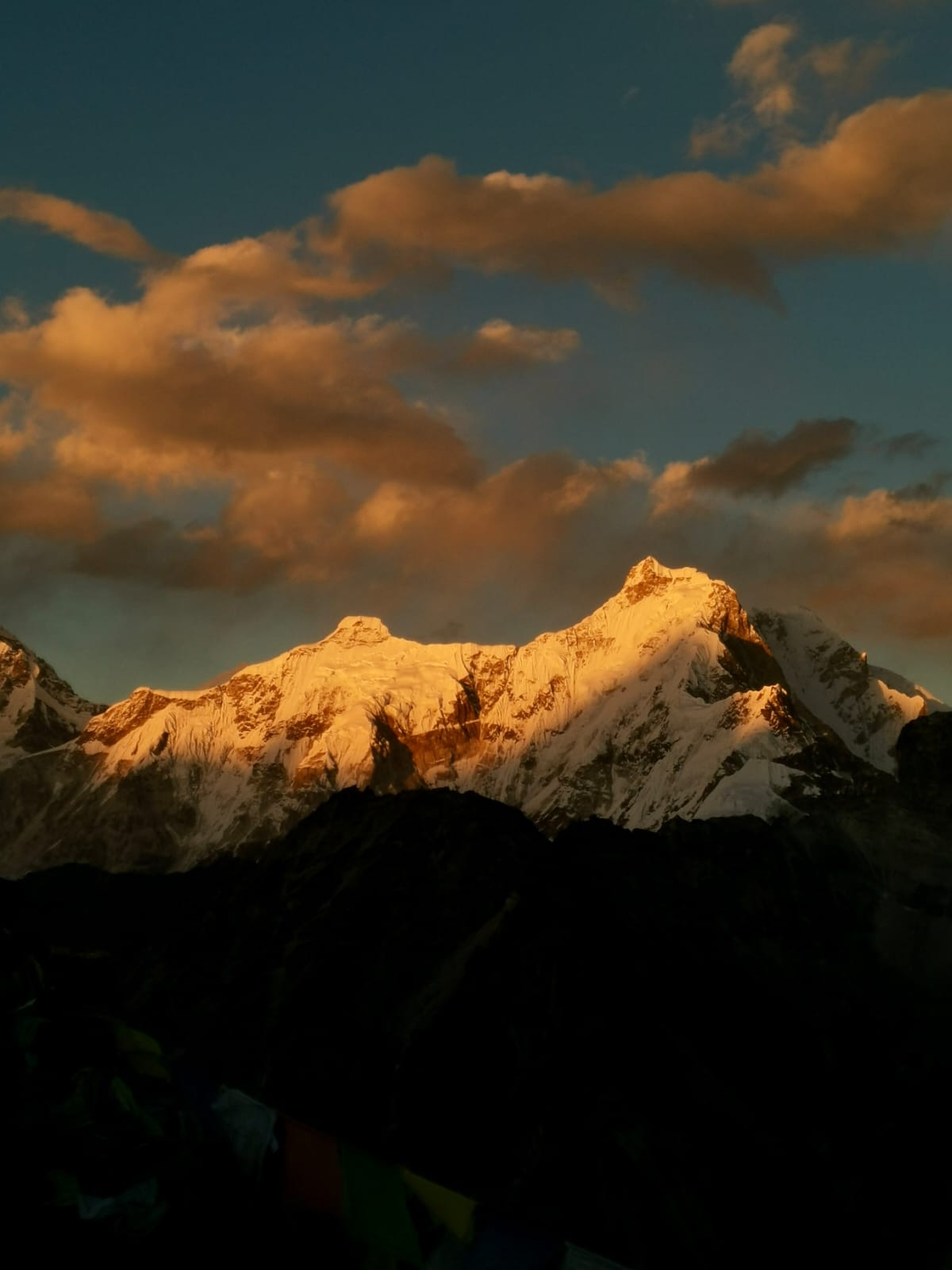
This trekking route as the home the highest peaks in the world offers beauty of Himalaya
and Sherpa culture combined with some of the rarest red panda, snow leopard, wild boar
as well as himalayan birds in Sagarmatha National Park.
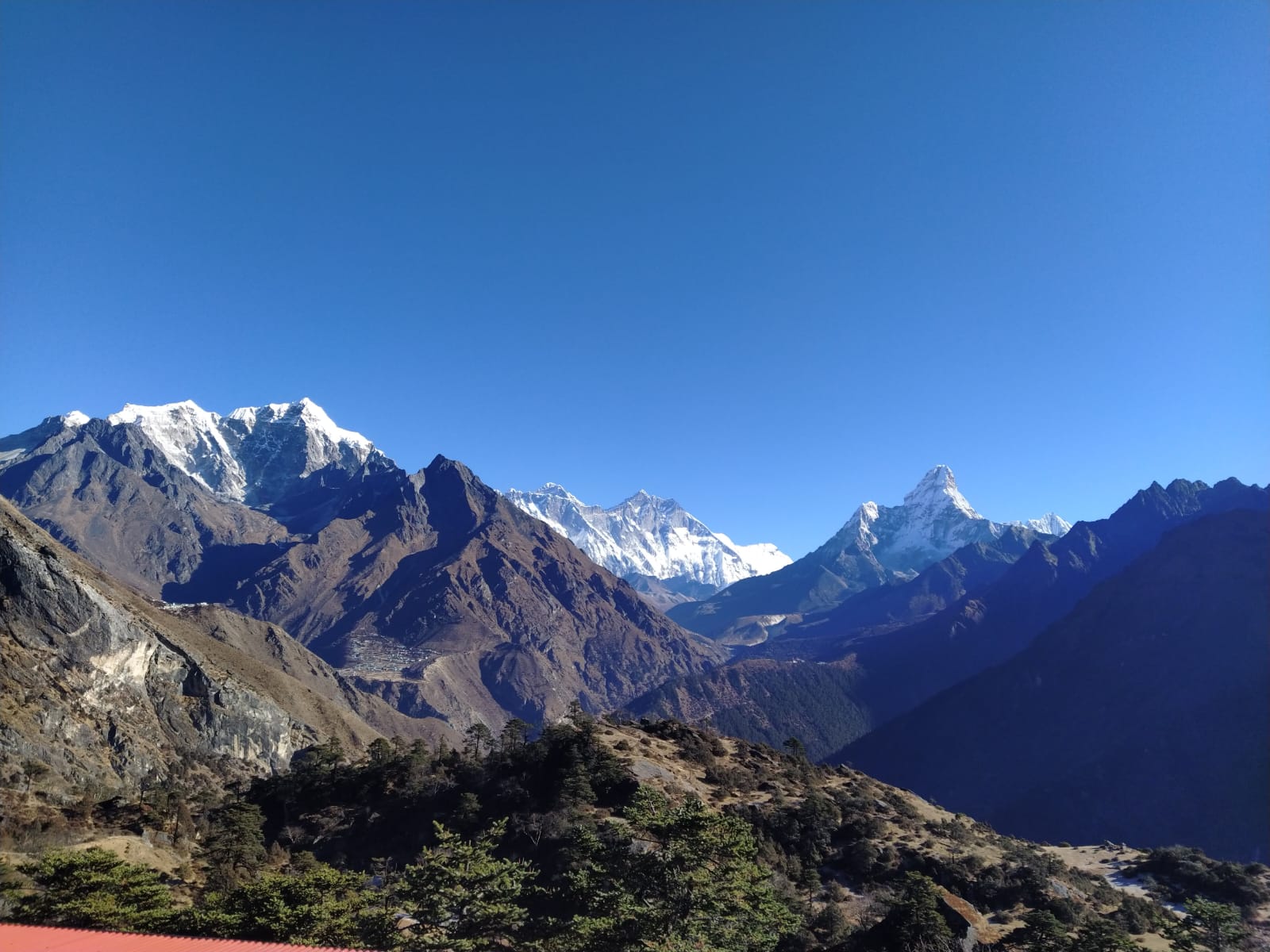
The trekker can have the view of the Mt Everest 8,848 m/ 29028 ft) along with four other
peaks (included in top ten highest on the earth): Lhotse (8501m/ 27.765ft), and Cho Oyu
(8,201m/ 26,906ft) and nearby fifth Makalu (8,463m/ 27,765ft) from the closest distance
ever.
 Accommodation:
 Hotel
Arrival in Kathmandu where an Orbit Nepal Adventure representative will meet you at the airport and transfer you to your hotel. Overnight at hotel.
Accommodation: Teahouse
 Meals:
 Breakfast, Lunch, Dinner
Your day begins very early with a scenic drive To the airoprt at Kathmandu Then flight to Lukla, the gateway to the Everest region. Upon arrival, you’ll meet your trekking guide and porters before starting your journey on foot.
The trail gently descends through the traditional village of Chaurikharka and continues toward the Dudh Koshi River. Walking alongside the riverbank, you’ll enjoy your first taste of the Himalayan landscape before reaching the peaceful village of Phakding. This short and easy trek is ideal for acclimatization and relaxation. Spend the afternoon exploring the village or resting at your teahouse.
Accommodation: Teahouse
Meals: Breakfast, Lunch, Dinner
After breakfast, the trek continues north along the Dudh Koshi River, crossing several suspension bridges adorned with prayer flags. The trail passes through pine forests and small settlements before reaching Monjo, the entrance to Sagarmatha National Park, where permits are checked.
From here, the route descends briefly to Jorsale, where you’ll stop for lunch. The final section of the day involves a steady uphill climb toward Namche Bazaar. Along the way, you’ll cross the famous Hillary Suspension Bridge and, on a clear day, catch your first distant glimpse of Mount Everest. By late afternoon, you’ll arrive in Namche Bazaar, the vibrant heart of the Khumbu region.
Accommodation: Teahouse
Meals: Breakfast, Lunch, Dinner
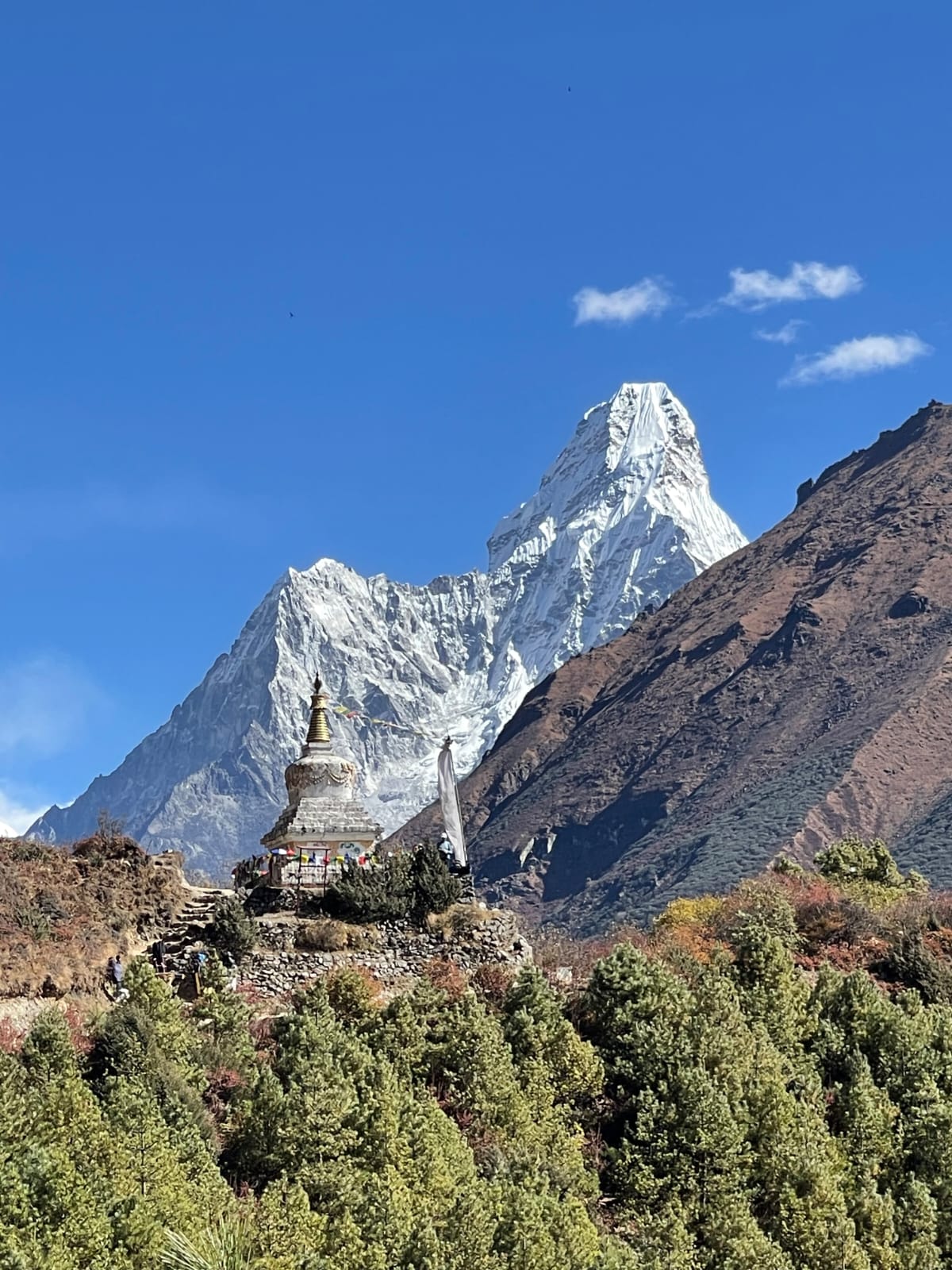
Today is dedicated to acclimatization, helping your body adjust to the altitude while enjoying some of the best viewpoints in the Everest region. After an early start, hike uphill to the famous Everest View Hotel, known for its panoramic views of Everest, Lhotse, Ama Dablam, and Thamserku.
Accommodation: Teahouse
Meals: Breakfast, Lunch, Dinner
After breakfast, begin your descent from Namche Bazaar, retracing your steps along the Dudh Koshi River. The trail passes through familiar villages and suspension bridges, offering a chance to reflect on the journey so far.
By late afternoon, you’ll arrive back in Lukla, marking the end of your trekking adventure. Enjoy your final evening in the mountains with your trekking team—many groups celebrate with a small farewell gathering to honor the shared experience.
Accommodation: Hotel
Meals: Breakfast & Dinner
In the morning, take a scenic flight from Lukla back to Kathmandu, After landing, transfer to your hotel in Kathmandu. The rest of the day is free to relax, shop for souvenirs, or unwind after your Himalayan adventure.
In the evening, gather for a farewell dinner at a traditional Nepali restaurant, celebrating the successful completion of your trek and sharing memories from the Everest region
Yes. This trek is ideal for beginners, families, and first-time trekkers with a reasonable level of fitness
No prior trekking experience is required, but basic fitness and the ability to walk 4–6 hours a day is helpful.
Views of Mount Everest, Lhotse, Ama Dablam, and Thamserku
Visit to Everest View Hotel
Exploration of Namche Bazaar
Sherpa culture, monasteries, and villages
Sagarmatha National Park
Altitude sickness risk is low compared to higher treks, but proper acclimatization and hydration are still important.
Yes, it is considered very safe when done with proper planning, permits, and local guidance.
Warm clothing and layers
Good trekking shoes
Daypack
Water bottle
Sunscreen and sunglasses
Basic first aid kit