Thamel, Kathmandu, Nepal





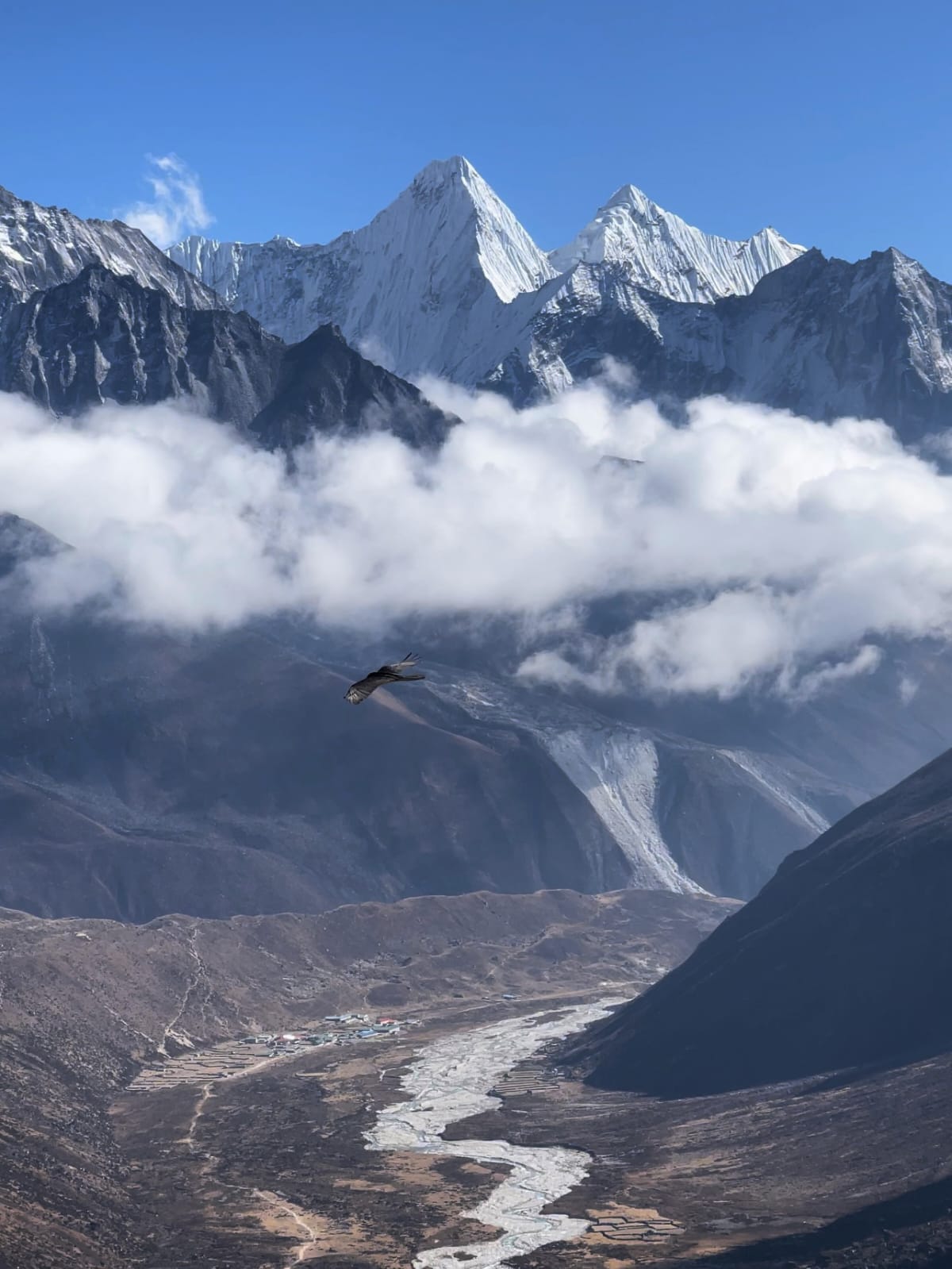
Mera Peak, standing at 6,476 meters, is the highest trekking peak in Nepal and a favorite among climbers seeking a high-altitude adventure without technical extremes. Located in the Everest region, Mera Peak offers breathtaking panoramic views of five of the world’s tallest mountains: Everest, Lhotse, Makalu, Cho Oyu, and Kanchenjunga. The climb is challenging yet achievable, combining trekking and basic mountaineering, making it perfect for adventurous trekkers looking to summit a Himalayan peak.
The journey to Mera Peak begins with a scenic flight to Lukla, followed by trekking through Sherpa villages, rhododendron forests, and alpine landscapes. Trekkers pass through Namche Bazaar, Dole, Machhermo, and Khare, experiencing rich Sherpa culture and breathtaking Himalayan scenery. Acclimatization days are included to ensure safe climbing, with short hikes and glacier practice before moving to Base Camp and High Camp.
The summit day is unforgettable, with climbers navigating snow slopes and glaciers to reach the top. From the summit, panoramic vistas of the highest peaks in the world create a once-in-a-lifetime experience. Descending through the same trail, trekkers return with a sense of accomplishment and lasting memories.
 Accommodation:
 Hotel
Arrive in Kathmandu and Represantative of Orbit Nepal Adventure will transfer you to your hotel. Attend a pre-expedition briefing, check climbing gear, and explore the vibrant streets of Thamel. This day is for preparation and rest before heading into the Himalayas.
Accommodation: Teahouse
 Meals:
 Breakfast, Lunch, Dinner
We will take a early morning flight to lukla from kathmandu, which is about 25min . The trek begins from Lukla, following a scenic trail through terraced farmland, small villages, and forested ridges. The path includes several ascents and descents, offering beautiful views of the lower Solu region. Walking through traditional settlements provides insight into local culture. Paiya is a quiet village where trekkers enjoy a peaceful overnight stay before heading deeper into the mountains.
Accommodation: Teahouse
Meals: Breakfast, Lunch, Dinner
Today’s route climbs steadily through pine and rhododendron forests, passing isolated hamlets and stone houses. The trail offers occasional viewpoints overlooking rolling hills and distant peaks. Pangoma is a culturally rich Sherpa village known for its monasteries and farmland. This moderate trekking day helps build endurance while maintaining a comfortable altitude gain.
Accommodation: Teahouse
Meals: Breakfast, Lunch, Dinner
The trail descends and climbs through lush vegetation, crossing streams and traditional footbridges. Walking through quiet forests and small settlements, trekkers experience the rural lifestyle of eastern Nepal. Nagindingma is a peaceful stop surrounded by greenery. The day is relatively relaxed, allowing trekkers to recover and prepare for higher elevations ahead.
Accommodation: Teahouse
Meals: Breakfast, Lunch, Dinner
This is a longer and more demanding day with a steady ascent into alpine terrain. The trail climbs through dense forest before opening to high pastures and mountain views. As altitude increases, the landscape becomes more rugged and remote. Khola Kharka is a high grazing area offering a true Himalayan wilderness experience.
Accommodation: Teahouse
Meals: Breakfast, Lunch, Dinner
Descending gradually into the Hinku Valley, the trail follows ridgelines and forested slopes. Rhododendron and pine forests surround the path, with occasional wildlife sightings. Kothe is a riverside settlement popular among Mera Peak trekkers. The comfortable lodges and lower altitude provide a refreshing break after the previous day’s climb.
Accommodation: Teahouse
Meals: Breakfast, Lunch, Dinner
The route follows the Hinku River upstream, passing yak pastures and glacial landscapes. The valley widens, offering impressive views of surrounding peaks and moraines. Thaknak sits beneath dramatic mountain scenery and serves as an important acclimatization stop. The shorter walking time helps conserve energy as altitude continues to increase.
Accommodation: Teahouse
Meals: Breakfast, Lunch, Dinner
Today, A gradual climb leads to Khare, the final permanent settlement before Mera Peak. The trail passes alongside glaciers and rocky terrain, providing close-up views of ice formations. Upon arrival, trekkers rest, hydrate, and prepare for the higher alpine environment. Khare is a key base for acclimatization and summit preparation.
Accommodation: Tent
Meals: Breakfast, lunch, Dinner
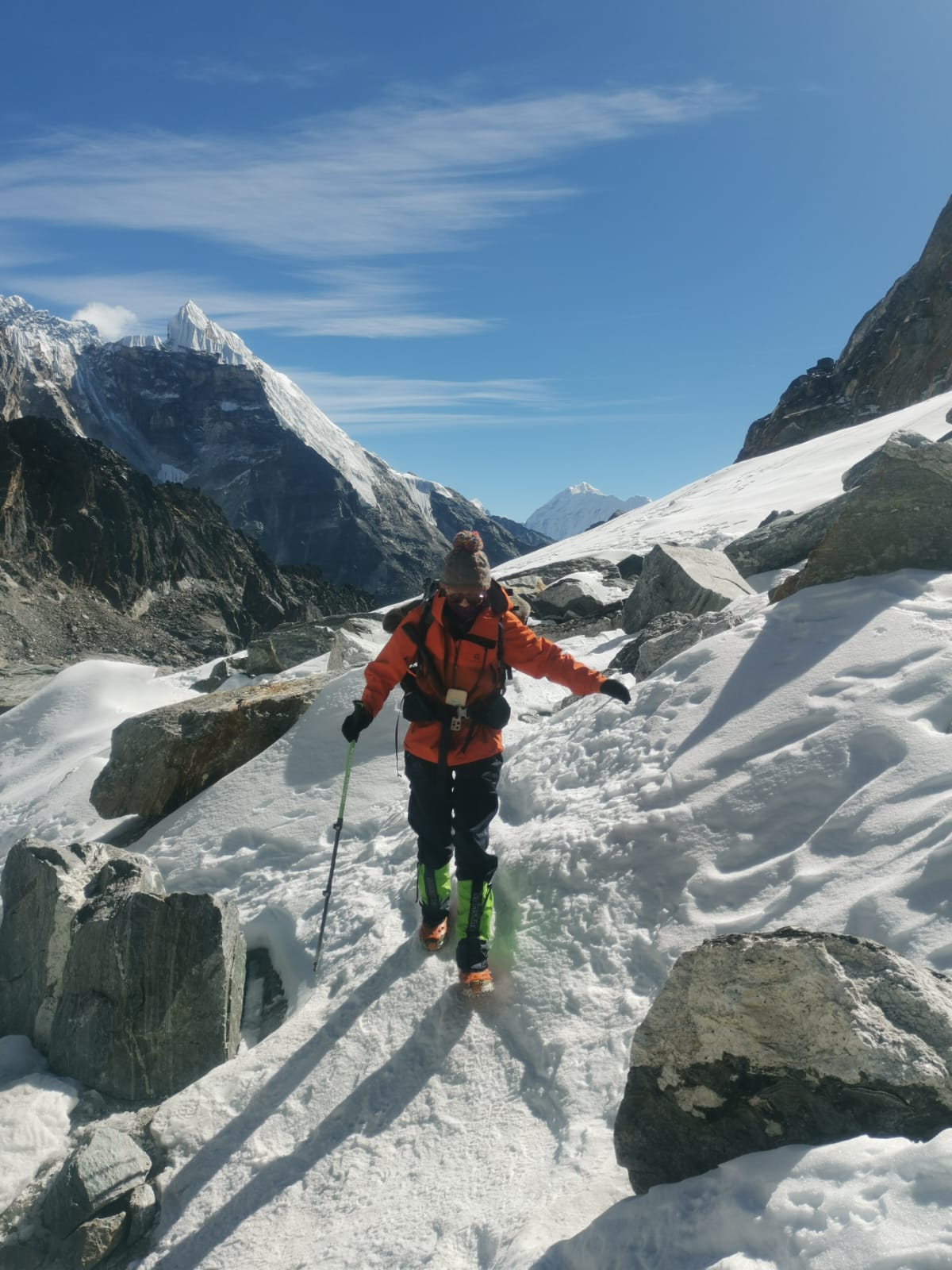
Today’s trek moves onto snow and ice as the route climbs the Mera Glacier. The ascent is steady, with breathtaking views of Everest, Makalu, and surrounding Himalayan peaks. Mera High Camp is set on a rocky outcrop, offering an unforgettable high-altitude experience. Early rest is essential for the upcoming summit attempt.
Accommodation: Teahouse
Meals: Breakfast, Lunch, Dinner
The summit push begins before dawn, following a gradual but demanding climb. From the top of Mera Peak, enjoy panoramic views of five of the world’s highest mountains. After celebrating the achievement, descend carefully back to Mera High Camp and continue down to Khare for a well-earned rest.
Accommodation: Teahouse
Meals: Breakfast, Lunch, Dinner
The descent retraces familiar trails through alpine terrain and into the Hinku Valley. Walking downhill allows easier breathing and faster recovery. The changing landscapes, from glaciers to forests, provide a refreshing contrast. Reaching Kothe marks a return to warmer temperatures and comfortable lodges after the high-altitude section of the trek.
Accommodation: Teahouse
Meals: Breakfast, Lunch, Dinner
The trail climbs and descends through forested hills and open pastures. The route is quieter and less traveled, offering a peaceful trekking experience. Chetarwa is a small seasonal settlement used by herders. The day provides a balance of moderate effort and scenic beauty while continuing the journey back toward Lukla.
Accommodation: Lodges
Meals: Breakfast, Lunch, Dinner
The final trekking day includes forest paths, ridgelines, and traditional villages before reaching Lukla. As the trail descends, signs of modern trekking life return. Arriving in Lukla marks the successful completion of the journey. Celebrate the adventure with your team and enjoy a comfortable final night in the mountains.
Accommodation: Hotel
Meals: Breakfast
We will take an early morning flight returns you from Lukla to Kathmandu, once again offering stunning aerial views of the Himalayas. Upon arrival, transfer to your hotel and enjoy a well-deserved rest. The remainder of the day can be spent exploring the city or relaxing after your successful Mera Peak expedition.
Meals: Breakfast
Orbit Nepal Adventur team will transfer to you airport for international flights, concluding your Mera Peak expedition with unforgettable Himalayan memories.
Mera Peak is among Nepal’s highest trekking peaks and offers a manageable climb despite its 6,461-meter elevation. The main challenge lies in the final steep summit section. It is an ideal introduction to high-altitude mountaineering and a perfect training climb for bigger expeditions. The trek from Lukla to base camp is physically demanding, requiring endurance and acclimatization, while the climb itself is safe and suitable for beginners with proper guidance.
You should Pack The falloing Things
Bags & Storage
Waterproof Duffel Bag (Provided by Himalayan Glacier)
40L Backpack (Daypack)
Clothing
Shirts and T-shirts
Set of Thermals (Top & Bottom)
Lightweight Hiking Trousers
Waterproof/Windproof Pants
Fleece Jacket
Down Jacket
Shell Rain Jacket
Footwear
Hiking Boots
Mountain Climbing Boots
Socks
Gaiters
Flip Flops or Slippers
Accessories
Buff
Scarf & Warm Hat
Sun Hat & Sunglasses
Gloves & Mittens
Equipment
Sleeping Bag
Trekking Pole
Water Bottles
Personal Items
Personal Toiletries
Sun Cream & Lip Balm
Mera Peak can be climbed year-round, though the monsoon months are best avoided. Spring (March to early June) and autumn (September to November) offer the most stable weather, clear views, and comfortable temperatures. Winter ascents are possible but demand experience due to severe cold and high-altitude conditions.