Annapurna Trek Packing List: What to Pack for Your Trek in Nepal
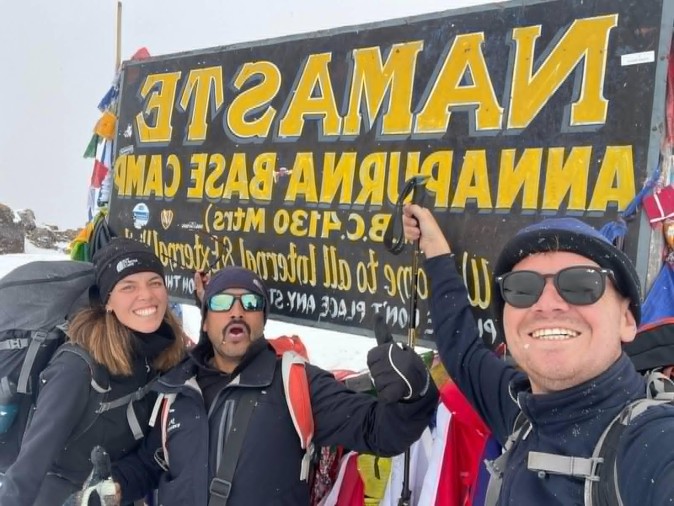
Packing for the Annapurna region is less about bringing everything you own and more about finding the balance between being ready for changing mountain weather and keeping your backpack light enough to actually enjoy the walk. Whether you're heading to the glacial amphitheater of Annapurna Base Camp (4,130m) or circling the Annapurna massif on the classic Annapurna Circuit, the right Annapurna Trek packing list can make the difference between a trek you remember for the views and one you remember for the blisters.
⚡ Quick Answer : What to Pack for the Annapurna Trek
- Sturdy, broken-in trekking boots + camp shoes
- Layered clothing: moisture-wicking base layer, fleece mid-layer, down jacket, waterproof/windproof shell
- A 4-season sleeping bag (rated to at least -10°C to -15°C for high routes)
- A 40–60L backpack (or duffel + daypack if using a porter)
- Trekking poles, headlamp, sunglasses (UV400), and sunscreen (SPF 50+)
- A reusable water bottle and water purification tablets or a filter
- A basic first-aid kit with personal medication
- Passport, permits (ACAP + TIMS), trekking insurance documents, and Nepali cash
- Warm hat, sun hat, gloves, and hiking socks (bring more socks than you think you need)
Note : Everything else in this guide is detail and nuance. If you're trekking with Orbit Nepal Adventure, your guide will also do a kit check before you leave Pokhara or Kathmandu, so nothing critical gets missed.
Detailed Packing List
1. Clothing
- Moisture-wicking base layers (top and bottom): Pulls sweat away from skin so you don't get cold and clammy once you stop moving. Avoid cotton — it stays wet and cold.
- Trekking T-shirts (2–3): Quick-dry synthetic or merino wool for daytime walking in warmer, lower-altitude sections.
- Fleece jacket: Your main mid-layer for evenings at teahouses and cold mornings.
- Down or synthetic insulated jacket: Essential above 3,000m, especially at Annapurna Base Camp itself, where temperatures can fall well below freezing at night even outside winter.
- Waterproof/windproof jacket (shell): Mountain weather changes fast; a shell blocks wind chill and sudden rain or snow squalls.
- Trekking pants (2 pairs): Quick-dry, breathable, ideally with stretch for scrambling sections.
- Thermal leggings: Worn under trekking pants on cold mornings and at higher camps.
- Lightweight hiking shorts: Useful on warmer, lower-elevation days.
- Underwear (5–7 pairs) and sports bras: Quick-dry synthetic; laundry service is unreliable at altitude.
- Warm hat/beanie: Non-negotiable above 3,500m.
- Sun hat or cap: UV exposure is intense at altitude even on cool days.
- Buff or neck gaiter: Sun protection, dust mask, and extra warmth around the neck.
- Gloves (liner + insulated): A thin liner for dexterity and a warmer pair for early mornings and high passes.
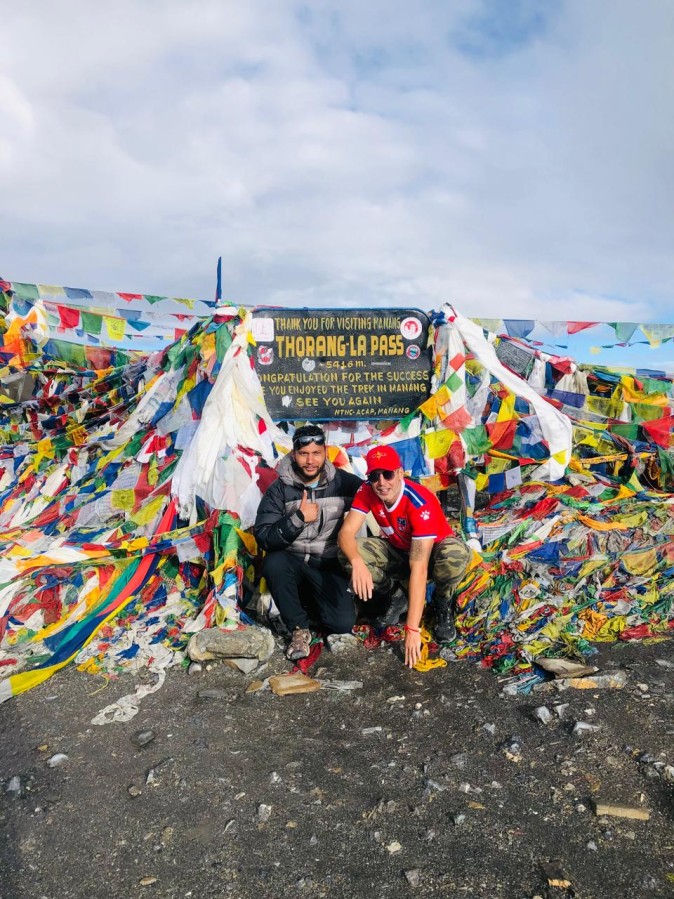
- Waterproof gloves/shell mitts: Worth it in winter or on snowy sections like Thorong La (5,416m).
- Hiking socks (4–5 pairs): Cushioned, moisture-wicking wool-blend reduces blister risk.
- Thermal socks: A separate warm pair kept only for sleeping.
- Sleepwear: A light thermal set kept exclusively for sleeping.
Note : Layering is the entire logic behind Annapurna trekking clothes. Days can start near freezing, warm up to shorts-and-t-shirt weather by mid-morning, and drop sharply again once the sun dips behind a ridge — sometimes within the same hour.
2. Footwear
Footwear is the single item where cutting corners causes the most trouble on the trail. A blister on day two of an 8–13 day trek is a real problem, not a minor inconvenience.
- Trekking boots: Mid- or high-ankle boots with good ankle support and a broken-in fit.
- Lightweight camp shoes or sandals: For evenings, letting feet breathe after a day in boots.
- Gaiters: Useful in muddy monsoon conditions, dusty trails, or snow near Thorong La.
- Blister prevention: Carry plasters or tape and apply at the first sign of a hot spot.
Note : Break your boots in for at least 2–3 weeks of regular walking before you fly to Nepal. This single habit prevents more trek problems than any piece of gear on this list.
3. Backpack & Bags
What you carry depends heavily on whether you're trekking independently, with a guide only, or with porter support — a common and affordable arrangement in the Annapurna region.
- Main trekking backpack (50–65L): If carrying your own gear, choose one with a supportive hip belt.
- Daypack (20–30L): With a porter, this is what you carry each day — water, camera, extra layer, snacks, first aid, documents.
- Rain cover: Keeps gear dry during sudden downpours.
- Waterproof/dry bags: Separate wet from dry clothes and protect electronics.
- Packing cubes: Speeds up finding items in a cold teahouse room at 6 a.m.
- Duffel bag (70–90L): The standard porter-carried bag; look for weather resistance and lockable zippers.
Note : A porter typically carries up to around 15–20kg of your main duffel, while you carry only your daypack. Without a porter, everything goes on your own back — a strong argument for packing lighter.
4. Sleeping & Personal Comfort
- Sleeping bag: The most important comfort item on this list. A bag rated to at least -10°C to -15°C is a sensible baseline for ABC or the Circuit's high points, where nights can fall well below freezing outside summer.
- Sleeping bag liner: Adds warmth, keeps the bag clean, and works alone on warmer nights.
- Travel pillow: Optional but appreciated.
- Earplugs: Thin teahouse walls carry sound.
- Eye mask: Useful for early sunrise light.
- Quick-dry towel: For washing and hot showers where available.
Note: A sleeping bag becomes particularly important above roughly 3,500–4,000m — the final nights before Annapurna Base Camp and most of the Circuit's high section around Manang, Yak Kharka, and Thorong La.
5. Water & Hydration
- Reusable water bottle (1–1.5L): Wide-mouth is easier to fill and treat.
- Hydration bladder: Convenient, though the tube can freeze in very cold conditions.
- Water purification tablets/drops: Lightweight backup treatment.
- Water filter (optional): Reduces reliance on bottled water.
- Electrolyte tablets/powder: Helps replace salts lost to exertion and altitude.
Note: Bottled water is sold at teahouses along both routes, but plastic waste is a real problem in the Annapurna Conservation Area with no organized recycling system at altitude. Carrying a bottle and purification method instead of buying bottled water daily is one of the simplest ways to trek responsibly here — and it's cheaper over an 8–13 day trek.
6. Personal Hygiene & Toiletries
- Toothbrush and travel-size toothpaste
- Biodegradable soap
- Hand sanitizer
- Toilet paper/tissues (not always provided)
- Wet wipes
- Sunscreen (SPF 50+) and lip balm with SPF
- Moisturizer
- Small quick-dry towel
- Personal hygiene products, including menstrual products if relevant — bring enough for the full trek
Note: Keep this section lightweight — teahouses have basic facilities, and you don't need a full home bathroom kit.
7. First-Aid & Medication
- Blister treatment (moleskin, blister plasters)
- Adhesive bandages and gauze
- Antiseptic cream or wipes
- Pain relief medication (as advised by your doctor)
- Personal prescription medication, in original labeled containers
- Basic stomach/diarrhea medication
- Oral rehydration salts (ORS)
- Any other medication specific to your health needs
On altitude sickness: Acute Mountain Sickness (AMS) is a genuine risk on both routes, since both climb well above 3,000m — Annapurna Base Camp sits at 4,130m and the Circuit's Thorong La pass reaches 5,416m. The most effective prevention is a gradual ascent with proper acclimatization days, staying hydrated, and telling your guide immediately if you feel symptoms like headache, nausea, or dizziness. Some trekkers discuss preventive medication such as acetazolamide with their doctor before travel — this is a decision for a medical professional based on your own health history, not something to self-prescribe on the trail.
Note: If you're trekking with Orbit Nepal Adventure, your guide is trained to recognize AMS symptoms and will adjust the itinerary or arrange descent if needed.
8. Sun, Weather & Altitude Protection
- Sunglasses with genuine UV400/CE-rated protection (crucial near snow, such as Thorong La)
- Sunscreen (reapply through the day)
- Lip balm with SPF
- Sun hat with a brim or neck flap
- Insulated gloves for cold, windy stretches
- Warm layers for sudden temperature drops
- A packable rain shell for unpredictable precipitation, especially spring and monsoon
Note: UV exposure increases with elevation because there's less atmosphere to filter it, and snow or light-colored rock reflects additional radiation — meaning sunburn and eye strain happen faster at altitude than at sea level, even on cool or cloudy days.
9. Electronics & Gadgets
- Smartphone: Photos, offline maps, communication where signal exists.
- Power bank (10,000mAh+): Teahouse charging often costs a small fee and isn't always reliable, especially on remote Circuit stretches.
- Charging cables
- Universal travel adapter: Nepal uses type C, D, and M sockets.
- Headlamp with spare batteries: Essential for early starts and night bathroom trips.
- Camera and extra memory card, if photography matters to you (cold drains battery faster)
Note: Charging availability varies by teahouse and altitude — expect it to become more limited and more expensive the higher you climb.
10. Documents & Money
- Passport (6+ months' validity)
- Trekking permits — ACAP and TIMS card, arranged before departure. See our Permits Required for Annapurna Base Camp Trek guide for current requirements and costs.
- Travel/trekking insurance documents, including high-altitude and emergency evacuation coverage
- Emergency contact details, written down separately from your phone
- Photocopies or digital copies of your passport, permits, and insurance
- Nepali cash (NPR) in small denominations — ATMs become unreliable past the trailhead towns
- A small, secure wallet or document pouch
Note: Keep documents in a waterproof pouch or sealed ziplock bag — a wet permit at a checkpoint is a genuinely awkward problem.
11. Trekking Accessories
- Trekking poles: Reduce knee strain, especially on long descents like the final stretch back from ABC or the descent after Thorong La.
- Headlamp: Keep it in your daypack, not your main duffel.
- Multi-tool: Handy for gear repairs (check airline baggage rules for blades).
- Waterproof phone pouch
- Small padlocks: For duffel and daypack zippers.
- Trekking towel
- Duct/repair tape: Wrap a length around a trekking pole instead of carrying a full roll.
- Ziplock bags: Multiple sizes for documents, snacks, trash.
- Waste bags: To carry out rubbish on stretches with no bins.
Seasonal Packing Guide for the Annapurna Region
Mountain weather can change quickly and does not always match seasonal averages so this as general guidance, not a guarantee. Conditions can shift within a single day above 3,500m. For the stable and reliable weather and what you want in trek , you can chose the trek timing and decide the best time for Annapurna Base Camp.
1. Spring (March–May)
Generally one of the two best trekking seasons, with warmer daytime temperatures at lower elevations, though afternoon cloud and occasional showers are common. Rhododendron blooms are a highlight on ABC.
- Reliable waterproof shell for afternoon showers
- Layering still essential for mornings/evenings
- Standard boots fine; gaiters optional unless early-season snow lingers on higher passes
2. Autumn (September–November)
The most popular season, with generally stable weather and clear views, though nights turn cold quickly as elevation increases, especially from October onward.
- Standard layering system works well
- A solid insulated jacket for higher-elevation nights
- Standard trekking boots usually sufficient unless trekking very late season near Thorong La
3. Winter (December–February)
Cold, especially at altitude, with possible snow affecting high passes like Thorong La. ABC stays accessible but significantly colder, with quieter trails.
- Warmer-rated sleeping bag (-15°C to -20°C comfort) worth considering
- Insulated waterproof gloves and a warmer down jacket become essential
- Microspikes/crampons possibly advisable on icy sections
Note: Confirm current pass conditions with your guide before committing to the full Circuit
4. Summer/Monsoon (June–August)
The wettest season, with regular rainfall, leeches on lower forested trails, and reduced mountain visibility. The quietest season for trekker numbers.
- Full waterproof jacket and pack cover are essential
- Quick-dry clothing matters more than any other season
- Boots with good grip plus gaiters for mud
- Leech socks or salt for lower forested sections
- Extra dry bags for electronics and documents
Note: Confirm current pass conditions with your guide before committing to the full Circuit
Annapurna Base Camp vs Annapurna Circuit: Packing Comparison
Both treks share the same core packing list, but a few things shift depending on route, elevation, and duration. Neither trek requires a completely different kit — think adjustments, not a rebuild.
| Category |
Annapurna Base Camp |
Annapurna Circuit |
| Typical duration |
7–12 days |
12–18 days |
| Maximum elevation |
~4,130m (ABC) |
~5,416m (Thorong La) |
| Cold-weather gear |
Down jacket, warm layers for 1–2 nights at altitude |
Heavier kit for multiple nights above 3,500m and the pass |
| Rain protection |
Important on lower forested sections, spring/monsoon |
Important on lower Marsyangdi valley; drier on Manang/Mustang side |
| Footwear |
Standard trekking boots suffice |
Same boots; gaiters/microspikes matter more near Thorong La |
| Sleeping bag |
-10°C to -15°C rated generally sufficient |
-15°C or warmer advisable |
| Trekking poles |
Very useful for steep descents |
Essential for the pass ascent/descent |
| Water/hydration |
Standard purification setup works throughout |
Same, but refill points more spread out on remote sections |
| Backpack considerations |
Slightly lighter pack possible |
Larger pack/duffel for longer trek and wider temperature range |
Note: If you're deciding between the two, Annapurna Base Camp Trek package and Annapurna Circuit Trek package pages outline the day-by-day routes and what each itinerary involves.
What NOT to Pack
- Excessive clothing: A few key pieces rotated and aired out work fine — laundry is rarely available.
- Heavy toiletries: Decant into small travel containers.
- Too many shoes: Boots plus one lightweight camp pair is enough.
- Unnecessary electronics: Tablets and laptops add weight and charging demands you likely won't use.
- Large quantities of packaged food: Teahouses serve meals throughout the trek.
- Bulky, rigid luggage: Hard-shell suitcases don't work for teahouse trekking.
Note: Pack light, but never compromise on safety. Cutting a spare base layer is fine; cutting your first-aid kit, sleeping bag, or warm layers is not.
How Much Should Your Backpack Weigh?
- Carrying your own full pack: keep weight manageable relative to your fitness — heavier packs noticeably slow pace at altitude.
- With a porter: your daypack holds only what you need during walking hours — usually a fraction of your total gear weight.
- Porters carry a set maximum per trekker's duffel, agreed with your agency in advance — check this limit with your operator, including Orbit Nepal Adventure, before finalizing your packing.
- Why it matters: at altitude your body already works harder with less oxygen; every unnecessary kilogram compounds fatigue.
- To reduce weight: lay everything out before packing, remove duplicates, choose lighter insulation, and skip "just in case" items.
Renting vs Buying Trekking Gear in Nepal
Kathmandu (Thamel) and Pokhara are major trekking gear hubs with gear shops selling genuine and replica outdoor brands, plus rental counters for bulkier items.
- Generally worth buying at home: trekking boots (fit and break-in matter), hiking socks and base layers, underwear and sleepwear.
- Reasonable to rent or buy in Nepal: down jackets and sleeping bags (widely available for rent at low daily rates), trekking poles, duffel bags.
- Fine to buy locally regardless: toiletries, purification tablets, snacks, gloves, hats, buffs.
Note: Always check rented gear carefully before heading out — inspect zippers, down fill, and sleeping bag warmth rating, since quality varies between shops.
Packing Tips for the Trail
- Pack in layers, not as one solid block, for quick access to warm layers, rain shell, and first aid.
- Keep frequently used items accessible in outer pockets.
- Use waterproof bags or liners inside your main pack, not just a rain cover.
- Keep documents protected in a dedicated waterproof pouch.
- Keep one warm layer within easy reach, even mid-trek.
- Carry valuables in your daypack, not a porter-carried duffel out of your sight.
- Keep medication easily accessible in your daypack.
- Test your fully loaded backpack on practice hikes at home before flying to Nepal.
- Break in your trekking boots well ahead of time.
Minimalist Annapurna Packing Checklist
☐ Trekking boots (broken in)
☐ Camp shoes/sandals
☐ Trekking pants (2)
☐ Base layers
☐ Fleece jacket
☐ Down/insulated jacket
☐ Waterproof/windproof jacket
☐ Gloves (liner + insulated)
☐ Warm hat/beanie
☐ Sun hat
☐ Buff/neck gaiter
☐ Hiking socks (4–5 pairs)
☐ Sleeping bag (rated for altitude/season)
☐ Backpack or duffel + daypack
☐ Reusable water bottle + purification tablets
☐ Sunglasses (UV400)
☐ Sunscreen (SPF 50+) and lip balm
☐ Headlamp + spare batteries
☐ Power bank
☐ First-aid kit + medication
☐ Basic toiletries
☐ Passport, permits (ACAP + TIMS), insurance
☐ Nepali cash
☐ Trekking poles
Frequently Asked Questions
Q. What should I pack for the Annapurna Trek?
➤ Layered clothing (base layer, fleece, down jacket, waterproof shell), broken-in trekking boots, a cold-rated sleeping bag, trekking poles, sun protection, a basic first-aid kit, and your permits and documents. See the full checklist above for the complete Annapurna Trek essentials.
Q. How many clothes do I need for Annapurna Base Camp?
➤ Around 2–3 trekking t-shirts, 2 pairs of trekking pants, one set of thermal base layers, and enough socks and underwear for the trek length, rotated and aired between wears.
Q. Do I need a sleeping bag for Annapurna?
➤ Yes. Teahouse blankets are often not warm enough at higher elevations. A bag rated to at least -10°C to -15°C covers most conditions on both ABC and the Circuit; go warmer for winter.
Q. What shoes are best for the Annapurna Trek?
➤ Mid- or high-ankle trekking boots with good ankle support and grip, broken in well before your trip, paired with cushioned moisture-wicking socks. Lightweight camp shoes are useful for evenings.
Q. Do I need trekking poles for Annapurna?
Not strictly mandatory, but strongly recommended — they reduce knee strain on long descents and add stability on stone stairs and steep sections, especially near Thorong La.
Q. What should I pack for the Annapurna Trek in winter?
➤ A warmer-rated sleeping bag, insulated waterproof gloves, a heavier down jacket, and possibly microspikes for icy sections. Confirm current high-pass conditions with your guide before departure.
Q. What should I pack for the Annapurna Trek during monsoon?
➤ A dependable waterproof jacket and pack cover, quick-dry clothing, gaiters, and extra dry bags for electronics and documents. Leech socks or salt help on lower forested sections.
Q. Can I rent trekking gear in Nepal?
➤ Yes. Kathmandu's Thamel district and Pokhara's Lakeside area have numerous rental shops for down jackets, sleeping bags, and trekking poles — a practical option if you'd rather not fly with bulky gear.
Q. How heavy should my trekking backpack be?
➤ There's no single fixed number for every trekker — it depends on fitness and porter support. If carrying your own gear, pack only what you need. With a porter, your daypack should hold just the walking-day essentials.
Q. What should I leave at my hotel in Kathmandu or Pokhara?
➤ City clothes, unused electronics, a spare pair of shoes, and non-trekking valuables. Most hotels and trekking agencies, including Orbit Nepal Adventure, offer secure luggage storage for the duration of your trek.
Final Thoughts
Packing for Annapurna doesn't need to be complicated once you understand the logic behind it: layer for changing temperatures, protect against sun and rain, keep your feet properly cared for, and don't carry more than you'll actually use. The mountains reward preparation, not excess baggage.
Ready to walk into the heart of the Annapurna Sanctuary?Contact Orbit Nepal Adventure today for customized itineraries for easier and adventurous trek.
📲 Contact us directly on WhatsApp: Chat with us on WhatsApp
🌐 Visit: orbitnepaladv.com
📧 Email: orbitnepaladv@gmail.com
💬 Whatshapp: 977-9841766021
Our Package : Annapurna Base Camp