Thamel, Kathmandu, Nepal
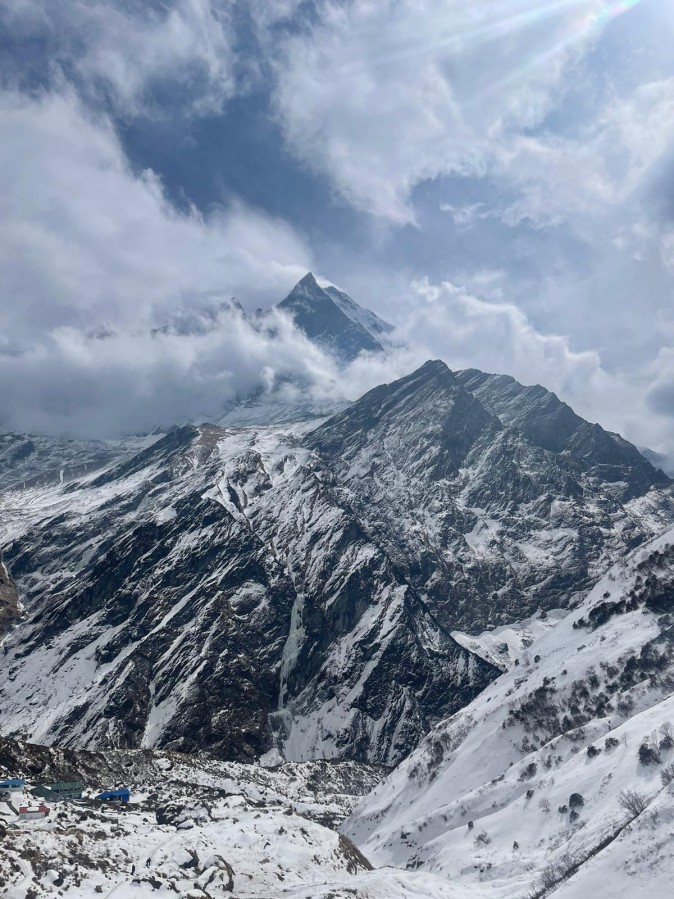
The Annapurna Circuit Trek is a 160–230km loop through the Annapurna region of central Nepal, crossing Thorong La Pass at 5,416m (17,769ft) — one of the highest trekking passes in the world. Unlike the Annapurna Base Camp trek's single glacial amphitheatre, the Circuit is a full traverse: you climb the Marsyangdi valley from subtropical rice terraces at under 1,000m, cross the pass, and descend into the arid, Tibetan-influenced Kali Gandaki valley — the deepest gorge on Earth — before finishing in Pokhara.
The standard itinerary runs 12–16 days, most commonly 13 days, starting with a drive from Kathmandu to Dharapani or Besisahar and ending with a flight or drive from Jomsom to Pokhara. Total elevation gain to the pass from the trailhead is roughly 3,450m. Since 2023, a licensed guide is mandatory for all foreign trekkers on the Circuit, alongside the ACAP permit (NPR 3,000).
Daily walking averages 5–7 hours, longer than the ABC trek, with the Thorong La crossing itself running 8–10 hours in a single push.
The best seasons are March–May and September–November.
Total cost ranges from roughly NPR 120,000 (~$900) for a budget guided trek to NPR 240,000+ (~$1,800+) for a comfort package with private guide and porter.
| Trek Feature | Details |
| Duration | 12–16 Days (standard: 13 days) |
| Total Distance | 160–230 km (loop, depending on start point) |
| Maximum Elevation | 5,416m / 17,769ft (Thorong La Pass) |
| Difficulty | Moderate to Challenging |
| Best Season | March–May (Spring) | Sept–Nov (Autumn) |
| Permits Required | ACAP Permit + Mandatory Licensed Guide |
| Start Point | Besisahar / Dharapani (varies by itinerary) |
| End Point | Jomsom → Pokhara |
| Trek Style | Teahouse / Lodge Trek |
Altitude: 1,400m
Arrival in Kathmandu, trek briefing and equipment check. If your permits haven't been arranged in advance, this is when your guide takes your passport photos and documents to process the ACAP permit. Spend the evening in Thamel picking up any last-minute gear — down jackets and sleeping bags are cheap to rent here if you don't want to fly with your own.
💡 Insider Tip: Bring two extra passport photos — you'll need them again if any permit is misplaced at a checkpoint.
Gain: +560m | Drive: 7–9 hrs
A long, winding drive out of Kathmandu along the Prithvi Highway, then north up the Marsyangdi valley on a rougher mountain road. It's a full day in the vehicle, broken up by lunch stops and increasingly dramatic scenery as the valley narrows. By the time you reach Dharapani, you're already among pine forest and terraced hillsides, with the road-accessible lower villages behind you.
💡 Insider Tip: Take the front seats if you're prone to motion sickness — the last three hours of this drive are on unpaved switchbacks.
Gain: +710m | Walking: 5–6 hrs
The trail proper begins here, climbing steadily through pine, fir and rhododendron forest above the Marsyangdi river. Chame is the administrative headquarters of Manang district — the last town with a real bazaar, a hospital post, and reliable mobile signal before the trail turns remote. It also offers the first genuine wall of mountains: Annapurna II and IV rise directly above the village.
💡 Insider Tip: Chame has a natural hot spring near the river — a good warm-up for the cold nights ahead.
Gain: +630m | Walking: 5–6 hrs
The valley narrows dramatically as the trail passes beneath the towering Paungda Danda, a single curved slab of rock rising over 1,500m from the valley floor — one of the most striking geological features on the entire route. Beyond it, the landscape shifts from forest to dry alpine terrain. Upper Pisang, reached via a steeper climb than its lower counterpart, sets up the scenic high route for the next day.
💡 Insider Tip: Stay in Upper Pisang, not Lower Pisang — the extra 30-minute climb buys direct views of Annapurna II and IV from your teahouse window.
Gain: +219m net (with a steep midday climb) | Walking: 6–7 hrs
This is the scenic high route, and worth every step. The trail climbs steeply to Ghyaru (3,730m), one of the best viewpoints on the Circuit, before contouring through Ngawal and dropping into the broad Manang valley. Annapurna III, Gangapurna and Tilicho Peak dominate the skyline for most of the day. Manang itself is the region's largest village — a hub of lodges, bakeries and acclimatization infrastructure.
💡 Insider Tip: Don't take the low route through Mungji and Braga to save time — the high route via Ghyaru is the single best day of mountain views on the whole trek.
Altitude: 3,519m | Optional hike: 3–4 hrs
A mandatory rest day, not a day off. Most trekkers hike up to Gangapurna Viewpoint or the Ice Lake trail (up to ~4,600m) and sleep back down in Manang — the "climb high, sleep low" principle that meaningfully reduces altitude sickness risk higher up. There's also a free daily talk on altitude sickness run by the Himalayan Rescue Association post in Manang, worth attending even if you feel fine.
💡 Insider Tip: Go to the HRA altitude talk at 3pm — it's free, genuinely useful, and run by doctors who see AMS cases here every season.
Gain: +531m | Walking: 4–5 hrs
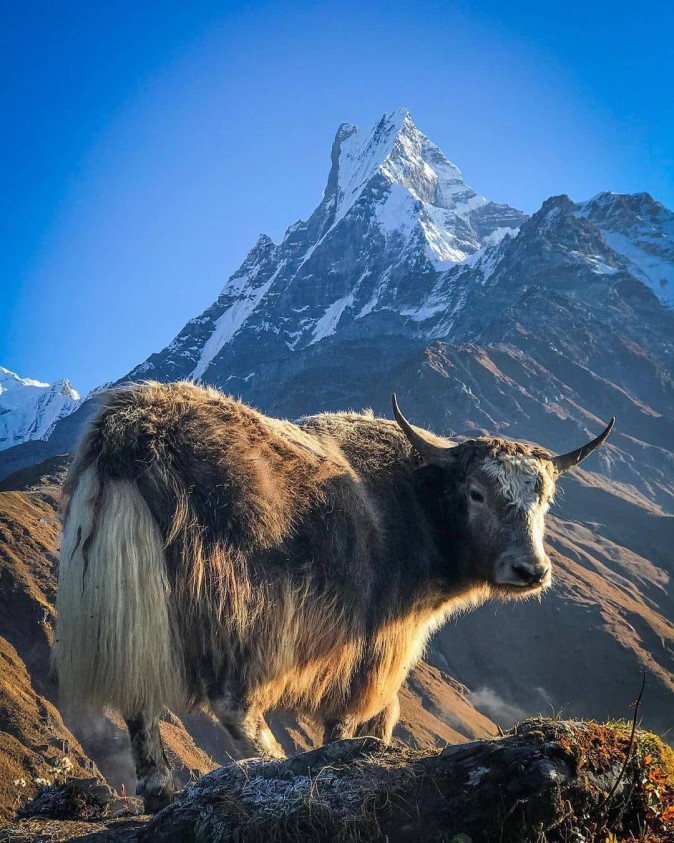
A shorter day by design, giving your body more time to adjust before the push toward the pass. The trail leaves the tree line behind for good, following the Jarsang Khola through open pasture where yak herds graze through the summer. The air is noticeably thinner, and pace slows naturally as the group settles into "altitude rhythm" — short steps, steady breathing.
💡 Insider Tip: Order your dinner early — Yak Kharka's small lodges fill up fast in peak season and kitchens run behind.
Gain: +490m | Walking: 3–4 hrs
A short walking day that still demands respect — you're now above 4,500m. Thorong Phedi ("foot of the pass") is a small cluster of lodges with one job: getting you rested and fed before the earliest start of the trek. Some groups push on to High Camp (4,850m) to shorten pass day, trading a harder climb today for a shorter one tomorrow. Either way, an early dinner and early sleep are non-negotiable tonight.
💡 Insider Tip: High Camp cuts an hour off pass day but the extra 300m adds a genuinely rough night's sleep — most guides recommend staying at Phedi unless you're already acclimatizing well.
Loss: -780m net (climb +876m to the pass, then descend -1,656m) | Walking: 8–10 hrs | The Big Day
A pre-dawn start, usually between 3:30 and 5am, to reach the pass before the wind picks up in early afternoon. The climb from Phedi is steep, cold and relentless — headlamps, down jackets and trekking poles all earn their keep here. Reaching Thorong La at 5,416m, marked by strings of prayer flags and a small stone shelter, is the emotional peak of the entire trek. The descent to Muktinath is long and knee-punishing, dropping nearly 1,700m through barren, wind-scoured terrain into the sacred temple town below.
💡 Insider Tip: Layer for a 30°C temperature swing — you'll start in sub-zero darkness and finish the descent in warm afternoon sun at Muktinath.
Loss: -1,040m | Walking: 4–5 hrs (or short jeep ride)
Muktinath is sacred to both Hindus and Buddhists, and worth a slow morning before departing — the temple's 108 water spouts and eternal flame draw pilgrims from across Nepal and India. The walk down to Jomsom follows the wide, windy Kali Gandaki valley, with Dhaulagiri and Nilgiri framing the route. Many trekkers take a jeep for part of this stretch; the wind here is notoriously strong by late morning.
💡 Insider Tip: Walk before 11am if possible — the Kali Gandaki valley wind is a local phenomenon that intensifies sharply through the afternoon.
Travel: Flight 20 min, or drive 8–9 hrs
The classic finish is a short, scenic flight over the Kali Gandaki gorge to Pokhara — one of the most dramatic short flights in Nepal, weather permitting. Flights are frequently delayed or cancelled by wind and cloud, so a spare buffer day is wise if you have an international flight to catch soon after. The overland alternative is a long but increasingly paved jeep or bus ride via Beni.
💡 Insider Tip: Book the earliest possible Jomsom–Pokhara flight — afternoon flights get cancelled far more often than morning ones.
A buffer day, and a well-earned one. Wander Lakeside, get a massage, or simply do nothing for the first time in eleven days. This day also absorbs any delays from Day 11's flight.
Travel: Flight 25 min or drive 6–7 hrs
Fly or drive back to Kathmandu for onward departure, or extend with a few days in Pokhara or Chitwan if your schedule allows.
Looking at other routes? See our Annapurna Base Camp Trek Itinerary or EBC vs ABC comparison guides.
The Annapurna Circuit requires fewer permit types than it used to, but the rules are stricter on who can carry them.
Permits are checked at multiple posts along the route (Dharapani, Chame, Manang), so keep them accessible rather than buried at the bottom of your pack. Regulations for trekking permits in Nepal do change from year to year — always confirm current rules with your agency or at ntb.gov.np before departure.
The most popular and reliable season. Post-monsoon skies are consistently clear, giving the sharpest mountain views of the year, and temperatures are comfortable at every altitude on the route. October is peak season — book teahouses and guides in advance.
A close second. Rhododendron forests bloom through the lower valleys, and pass-day temperatures are often slightly milder than in late autumn. Visibility is generally good but can be hazier than autumn by late May.
Possible for well-prepared, experienced trekkers only. Thorong La frequently sees heavy snow, and the pass can close entirely for days at a time. Many teahouses above Manang reduce services or close.
Not recommended. Rain, cloud and landslide risk on the lower approach sections make this the least reliable season, and mountain views are rarely visible from the trail.
Pack for a wider temperature range than the ABC trek — pass day alone can swing 30°C between the pre-dawn start and the afternoon descent.
Clothing & Gear
Health & Safety
Tech & Documents
The Circuit spends more consecutive days above 3,500m than almost any other teahouse trek in Nepal, and Thorong La at 5,416m is high enough that Acute Mountain Sickness (AMS) is a real consideration for every trekker, not just the unfit.
Symptoms of AMS to watch for:
💡 Insider Tip: Hydrate at 3–4 litres a day, avoid alcohol above 3,000m, and eat carbohydrate-rich meals in the days before the pass.
| Category | Budget Guided (NPR) | Mid-Range (NPR) | Comfort Package (NPR) |
| ACAP Permit | Included | Included | Included |
| Licensed Guide | Included | Included | Included |
| Porter | — | Included | Included |
| Accommodation/night | 500–800 | 1,200–2,000 | Included |
| Meals/day | 1,800–2,500 | 3,000–4,000 | Included |
| Kathmandu–Dharapani transport | 3,500–5,000 | Included | Included |
| Jomsom–Pokhara flight | 8,000–10,000 | Included | Included |
| TOTAL (est., 13 days) | ~NPR 120,000 ($900) | ~NPR 180,000 ($1,320) | ~NPR 240,000+ ($1,800+) |
Note: All figures are approximate 2025/2026 estimates. Prices rise significantly in peak October–November season, and the Jomsom–Pokhara flight is often the first thing to sell out. A private guide and porter, rather than a group departure, adds roughly NPR 30,000–50,000 to any tier above.
FOR THE BOOKING YOU CAN CONTACT US, Orbit Nepal Adventure!!!
Q. Is the Annapurna Circuit Trek hard for beginners?
➤ It's rated moderate to challenging — harder than the ABC trek due to the 5,416m pass and longer average walking days. A beginner with genuine pre-trek fitness training and a licensed guide can complete it, but this isn't a first-ever-hike trek the way ABC or Poon Hill can be.
Q. Do I need a guide for the Annapurna Circuit trek?
➤ Yes — mandatory. Since 2023, independent guideless trekking is no longer permitted on the Circuit. Every foreign trekker must be accompanied by a licensed guide, arranged through a registered agency like Orbit Nepal Adventure.
Q. What is the best month for the Annapurna Circuit trek?
➤ October is the most popular and reliable month, with the clearest skies of the year. April and early May are a strong second choice, adding blooming rhododendrons and slightly milder pass-day temperatures.
Q. How much does the Annapurna Circuit Trek cost?
➤ A budget guided trek runs approximately NPR 120,000 ($900 USD) for 13 days, including guide, permits and basic teahouse accommodation. A comfort package with private guide and porter runs NPR 240,000+ ($1,800+ USD).
Q. How difficult is Thorong La Pass?
➤ It's the hardest single day on the trek — an 8–10 hour push starting before dawn, climbing to 5,416m before a long, knee-punishing descent to Muktinath. With proper acclimatization (especially the Manang rest day) and a steady pace, it's achievable for most trekkers with reasonable fitness.
Q. What permits are required for the Annapurna Circuit?
➤ The ACAP (Annapurna Conservation Area Project) permit at NPR 3,000, plus a mandatory licensed guide, who typically also arranges your TIMS card as part of the package.
Q. Where does the Annapurna Circuit Trek start and end?
➤ Most itineraries start with a drive from Kathmandu to Dharapani or Besisahar, and end with a flight or drive from Jomsom to Pokhara.
📲 Contact us directly on WhatsApp: Chat with us on WhatsApp
🌐 Visit: orbitnepaladv.com
📧 Email: orbitnepaladv@gmail.com
💬 Whatshapp: 977-9841766021