Thamel, Kathmandu, Nepal
Best Time for Mardi Himal Trek: Month-by-Month Weather, Views & Trekking Conditions
The Best Time for Mardi Himal Trek depends upon season , what you want to experience during trek, what you pack and how you travel.
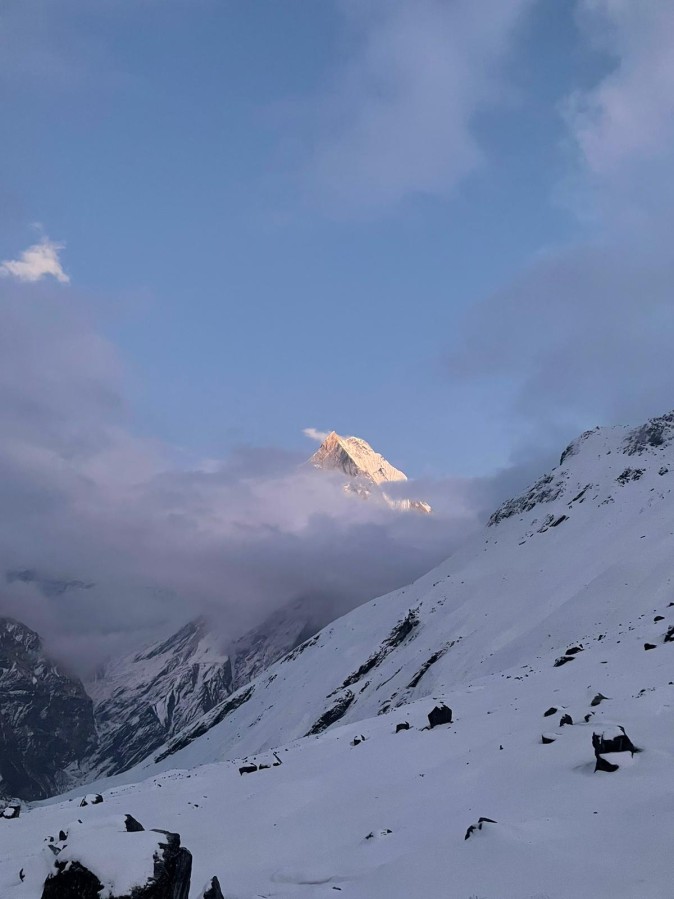
Timing matters more on Mardi Himal than on many other short treks in Nepal, simply because the route climbs so fast. You start in warm, terraced farmland outside Pokhara and, within two or three days, you're standing on an exposed alpine ridge above 3,500 metres. That kind of elevation gain means rainfall, temperature, wind, and cloud cover can change your entire experience — sometimes from one day to the next. Choosing the right season affects whether you see Machhapuchhre and Annapurna South clearly from the viewpoint, whether the trail underfoot is dry stone steps or slick mud, how many other trekkers you'll share the teahouses with, and how much gear you need to carry.
What Is the Best Time for Mardi Himal Trek?
Autumn tends to edge out spring for pure mountain-view reliability, because the monsoon has just washed the dust and haze out of the air, leaving crisp, clear skies through October and into November. Spring, on the other hand, brings milder nights, blooming rhododendron forests, and slightly thinner crowds than peak autumn — though afternoon haze and occasional cloud build-up are more common.
Neither season is flawless, and neither is "correct" for every traveler:
Quick answer: Spring (March to May) and autumn (September to November) are the best seasons for the Mardi Himal Trek — offering the most reliable mix of stable weather, good visibility, and manageable trail conditions.
Spring is when the Annapurna foothills wake up. Snow retreats from the lower trail sections, forests fill in with new leaves, and rhododendrons ; Nepal's national flower — bloom in bands of red, pink, and white from around 2,000m to 3,500m elevation.
Early March can still carry a chill from winter, with icy patches lingering on shaded, higher sections of the trail near High Camp. By mid-to-late March, temperatures climb steadily and the rhododendron bloom typically begins at lower elevations. Days are generally clear, though the air can feel a bit hazier than in autumn. March is a good option for trekkers who want spring conditions without the peak-season crowds of April.
April is widely considered one of the most popular months on the Mardi Himal route, and for good reason. Daytime temperatures at lower elevations are comfortable, nights at High Camp are cold but manageable with proper layers, and the rhododendron forests are usually at or near full bloom. Morning visibility is typically excellent, with skies often clouding up a little by afternoon — which is why most guides schedule the summit viewpoint hike for early morning. Because it combines good weather with the flower season, April also means busier teahouses, so booking ahead is worth considering.
May is warmer again, particularly at lower elevations, and trail traffic usually thins out compared to April as the month goes on. The trade-off is that pre-monsoon cloud build-up becomes more noticeable, especially in the afternoons, and short showers become more likely toward the end of the month. Early starts matter even more in May if you want a clear shot of the mountains before the clouds roll in.
Advantages:
Disadvantages:
Insider Tip: Since the Spring is one of the busiest time for trek in Madri Himal ; advance booking three-four months prior is recommended.
Autumn is generally regarded as the best season for Mardi Himal Trek weather. The monsoon clears out, humidity drops, and the Himalayan skies open up to some of the clearest views of the year.
Early September can still carry the tail end of the monsoon, with occasional rain and lingering cloud cover, particularly in the first half of the month. By late September, weather usually stabilizes and the trail starts drying out. It's a transitional month — a reasonable choice if you want to beat the October crowds for quite trek and don't mind a slightly higher chance of a cloudy day or two.
October is often cited as the single best month for the Mardi Himal Trek, and it's easy to see why: post-monsoon skies are typically at their clearest, trails are dry and firm after the rains, and daytime temperatures at lower and mid elevations are comfortable for walking. This is also peak trekking season across the Annapurna region, coinciding with Nepal's major Dashain and Tihar festivals, so expect busier teahouses and trails, particularly on weekends.
November extends much of October's clarity into cooler, quieter conditions. Daytime temperatures drop noticeably compared to October, and nights at High Camp get properly cold, but crowds thin out considerably after mid-month. For trekkers who want autumn's visibility without autumn's crowds, late November is often a sweet spot — provided you're prepared for colder mornings and evenings.
Advantages:
Disadvantages:
Insider Tip: Since the Autumn is one of the busiest time for trek in Madri Himal ; advance booking three-four months prior is recommended.
Winter turns Mardi Himal into a different trek altogether — quieter, colder, and visually striking in its own way, but not for everyone.
Days in winter are frequently short but clear — cold, dry air often means excellent long-distance visibility on good-weather days, sometimes rivaling autumn. The trade-off is the cold itself, and snow can occasionally close sections of trail above High Camp or make teahouse operators reduce services at the highest lodges.
Can Mardi Himal be trekked in winter?
Yes — it's done regularly by well-prepared trekkers, but it requires real cold-weather gear (insulated jacket, warm sleeping bag rated for sub-zero temperatures, microspikes or similar traction devices for icy sections) and a realistic expectation that some teahouses at High Camp may have limited food, water, or heating options.
Insider Tip: Winter suits more for experienced trekkers with proper cold-weather gear
Monsoon gets a bad reputation, and much of that is fair — but it isn't quite the same as "impossible."
June, July, and August bring the heaviest rainfall of the year to the Annapurna foothills. Afternoon and evening downpours are common, clouds frequently obscure the high peaks for much of the day (though brief clearings do happen, especially early morning), and the lower trail sections through forest can become muddy and slippery. Leeches are a well-known nuisance on the forested lower trail during the wettest weeks, particularly after rain. Access roads to trailheads around Pokhara can occasionally be affected by landslides during heavy monsoon spells, which is worth checking with a local operator before departure.
Trails are far less crowded, teahouses are easier to book on short notice, and package prices from local agencies are often lower. For trekkers who don't mind rain gear, mud, and reduced summit-view odds and who are flexible enough to build in a weather buffer day ; monsoon can still be a workable, budget-friendly option.
Insider Tip: Before travelling in Monsoon Season , its better to check with the guide and agency for the conditions and waether of the trail.
The figures below are approximate trekking-season estimates, not exact forecasts — actual conditions vary by altitude, year, and even time of day. Daytime figures generally reflect Low Camp/mid-elevation conditions; nights, especially at High Camp (~3,580m) and the viewpoint (~4,200–4,500m), run noticeably colder than daytime lower-elevation temperatures.
c Month Weather Approx. Daytime Temp
(Low–Mid Elevation) Rain/Snow Mountain Views Trekking Conditions January Cold, mostly dry, clear 8–12°C (nights well below 0°C at High Camp) Occasional snow at high elevation Often very clear on good days Icy/snowy patches above High Camp; needs traction gear February Cold, gradually warming 10–14°C Possible lingering snow up high Generally clear Improving but still cold and potentially icy March Mild, warming quickly 12–18°C Minimal; rare light showers Good, slightly hazy at times Good; some icy patches early in month April Warm, pleasant 15–20°C Minimal; occasional afternoon showers late in month Good mornings, hazier afternoons Excellent; busiest month May Warm, humid 18–24°C Increasing pre-monsoon showers Good mornings, cloud build-up by afternoon Good but increasingly humid June Warm, wet (early monsoon) 20–26°C Frequent rain begins Often clouded, especially afternoons Trails start turning muddy July Hot, very wet 22–27°C Heaviest rainfall Poor most days; occasional clear mornings Muddy, slippery, leech-prone August Hot, very wet 22–27°C Continued heavy rain Poor most days Muddy; landslide risk on access roads September Warm, transitioning 18–24°C Tapering rain, especially late month Improving through the month Improving; can still be muddy early on October Mild, dry, clear 15–22°C Minimal Excellent — best of the year Excellent; dry and firm, but crowded November Cool, dry, clear 10–18°C Minimal Excellent Excellent; colder mornings and nights December Cold, mostly dry 8–14°C Possible early-season snow at altitude Often clear Good lower down; cold and potentially icy higher up
October, closely followed by November and January on good-weather days
April, with March and early May also showing color
Late November, March, or the shoulder weeks of September and May
April and October
December through February, especially at High Camp and above
Monsoon months (June–August) and the depths of winter (January), when demand — and often prices — drop
Note: If you're weighing this trek against another option in the region, our guide to the best time for Annapurna Base Camp Trek covers similar seasonal patterns for that longer route.
Yes, with the right expectations.
In winter, most teahouses along the main route stay open, though the highest lodges near High Camp may run a reduced menu or limited water/heating availability during the coldest weeks. Trails are generally passable with proper winter gear, but sections above High Camp can require microspikes after fresh snowfall. Weather is more unpredictable day-to-day than in autumn, so build in flexibility.
In monsoon, teahouse availability is rarely an issue since the trail is quiet —the bigger concerns are trail mud, leeches on the lower forested sections, and occasional access-road disruptions from landslides on the Pokhara side. Rain gear, waterproof footwear, and a flexible itinerary (with a spare day if possible) make monsoon trekking considerably more comfortable.
Insider Tip: In both off-season windows, trekking with a local guide adds real value — beyond route-finding, guides track daily weather patterns and can adjust the plan if conditions turn.
Packing for Mardi Himal changes significantly by season because of the trek's rapid elevation gain.
Spring (March–May):
Autumn (September–November):
Winter (December–February):
Monsoon (June–August):
Most itineraries run 4 to 7 days from Pokhara and back, depending on your pace, fitness, and how much time you want at High Camp for acclimatization and the sunrise viewpoint hike. Shorter 3–4 day versions exist for very fit, time-limited trekkers, while a 5–6 day itinerary is generally recommended for a more comfortable pace with a proper acclimatization buffer.
Note: For a full day-by-day breakdown, see our Mardi Himal Trek itinerary, and for a cost breakdown by trip length, check our Mardi Himal Trek cost guide.
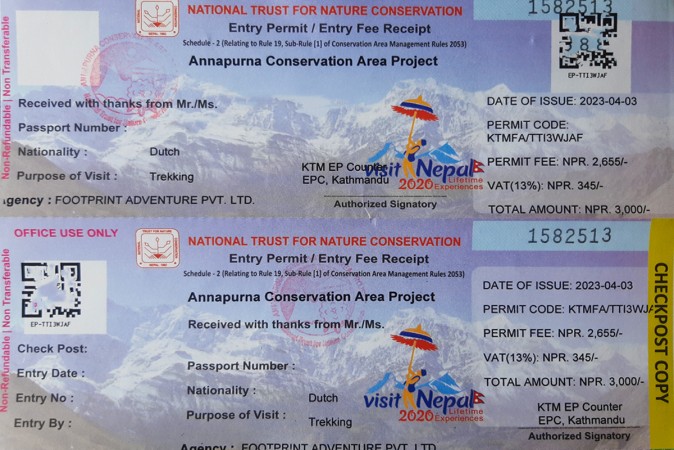
The Mardi Himal Trek lies entirely within the Annapurna Conservation Area, so the Annapurna Conservation Area Permit (ACAP) is mandatory for all trekkers. Depending on current regulations, a TIMS card and/or a small local municipality fee may also apply — permit rules in Nepal are updated periodically, so it's worth confirming current requirements with a registered trekking agency or the Nepal Tourism Board before you travel. Since 2023, foreign trekkers are also required to trek with a licensed guide on this route, which most agencies, including Orbit Nepal Adventure, build directly into their packages.
Note: For the full requirements and how to obtain them, see our Mardi Himal Trek permits guide, or our broader Annapurna trekking permits guide if you're planning to combine treks in the region.
If you're still deciding between routes, here's how Mardi Himal generally compares to other well-known Annapurna-region treks:
Is Mardi Himal Trek suitable for beginners?
Yes, particularly during spring or autumn with a 5–6 day itinerary that allows a comfortable acclimatization pace. It's often recommended as an accessible introduction to Himalayan trekking.
Note: See our Mardi Himal Trek difficulty guide for a fuller picture of what to expect physically.
Frequently Asked Questions
Q. What is the best month for Mardi Himal Trek?
➤ October is generally considered the single best month, thanks to stable post-monsoon weather, dry trails, and the clearest mountain views of the year.
Q. Is March a good time for Mardi Himal Trek?
➤ Yes. March offers mild, warming weather and the start of the rhododendron bloom, with fewer crowds than April, though some icy patches can linger at higher elevations early in the month.
Q. Is April good for Mardi Himal Trek?
➤ Yes — April is one of the most popular months, combining pleasant temperatures with peak rhododendron blooms and generally good morning visibility.
Q, Is October good for Mardi Himal Trek?
➤ Yes, October is widely regarded as the best overall month, offering the clearest skies and driest , firmest trail conditions of the year — though it's also the busiest.
Q. Can I trek Mardi Himal in winter?
➤ Yes, with proper cold-weather gear. Expect very cold nights, especially above 3,500m, possible snow and ice on the upper trail, and reduced services at the highest teahouses.
Q. Can I trek Mardi Himal during monsoon?
➤ It's possible but more challenging. Expect frequent rain, muddy and slippery trails, leeches on the lower forested sections, and reduced mountain visibility, with occasional clear windows, usually in the early morning.
Q. Which season has the best mountain views?
➤ Autumn, particularly October and November, generally offers the clearest and most consistent mountain visibility, though winter can produce excellent clear-sky days as well.
Q. Does Mardi Himal receive snow?
➤ Yes, particularly at High Camp and above, mainly from December through February, and occasionally in early spring or late autumn at the highest elevations.
Q. How cold does Mardi Himal get?
➤ It varies significantly by season and elevation. High Camp nights can drop below freezing even in shoulder months, and winter nights at higher elevations can fall well below 0°C — always check current conditions and pack layered, insulated clothing.
There's no universally "perfect" month for the Mardi Himal Trek — only the best month for what you're looking for. If crystal-clear mountain views are the priority, aim for October or November. If you'd rather walk through blooming rhododendron forests with milder nights, April is hard to beat. And if solitude matters more than comfort, winter and even monsoon have their own quiet appeal for well-prepared trekkers.
Planning your Mardi Himal adventure?Contact Orbit Nepal Adventure to arrange your permits, licensed guide, transportation, and a complete trekking itinerary built around your schedule and fitness level.
📲 Contact us directly on WhatsApp: Chat with us on WhatsApp
🌐 Visit: orbitnepaladv.com
📧 Email: orbitnepaladv@gmail.com
💬 Whatshapp: 977-9841766021
Our Package : Madri Himal Trek