Thamel, Kathmandu, Nepal
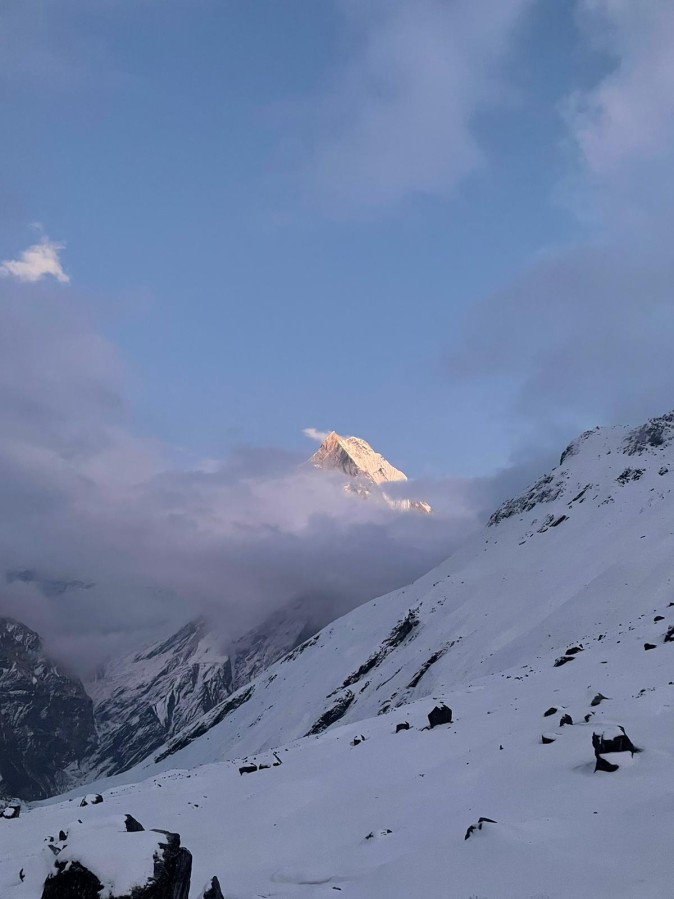
The Mardi Himal Trek is one of the most rewarding short treks in the Annapurna region, taking you through rhododendron forests, ridge-top villages, and open alpine terrain to a viewpoint facing the Mardi Himal and Machapuchre massifs. Because the trail climbs from warm mid-hills to a cold, exposed high camp in a relatively short span of days, what you pack matters more than it might on a longer, more gradual trek.
A well-thought-out Mardi Himal packing list isn’t about bringing everything you own — it’s about matching your gear to the trek’s altitude range, its quick weather shifts, and the basic nature of teahouse accommodation along the way. Pack too little and you’ll be cold, wet, or uncomfortable at high camp. Pack too much and you’ll be the one stopping every twenty minutes to catch your breath under an overloaded bag. This guide walks through exactly what to bring, why each item earns its place in your pack, and how to adjust your kit depending on when you’re trekking.
| Category | Key Items |
|---|---|
| Clothing | Base layers, t-shirts, fleece, down jacket, waterproof jacket, trekking pants, thermal underwear, warm socks, gloves, beanie, sun hat, buff |
| Footwear | Waterproof trekking boots, trekking socks, camp shoes/sandals |
| Trekking Gear | 40–50L backpack, rain cover, trekking poles, headlamp, water bottle/hydration bladder, sleeping bag, sunglasses, sunscreen, trekking towel |
| Personal Care | Toothbrush/toothpaste, biodegradable soap, hand sanitizer, wet wipes, moisturizer, menstrual hygiene products, small hygiene kit |
| First Aid | Basic first-aid kit, blister treatment, personal medication, altitude precautions |
| Documents | Passport, permits, insurance papers, emergency contacts, cash |
| Electronics | Phone, power bank, charging cables, camera, headlamp |
| Miscellaneous | Dry bags, ziplock bags, snacks, notebook, earplugs |
Mardi Himal Packing List
Clothing to Pack
Insider Tip: Wear them on a few practice hikes at home so your feet and the boots adjust to each other beforehand.
Backpack and Trekking Gear
Insider Tip: Keep this section minimal — teahouses have basic washing facilities, and a bulky toiletry bag adds unnecessary weight.
A basic first-aid kit should include:
Note: Walking at a steady pace, staying hydrated, and being alert to early symptoms such as headache or nausea are all worth planning for. Any medication, including altitude-related medication, should only be taken based on guidance from a doctor familiar with your health history — this guide is not a substitute for medical advice.
Insider Tip: Keep all documents inside a waterproof pouch or a ziplock bag within your daypack. A soaked permit or passport photocopy is a minor but entirely avoidable inconvenience.
Insider Tip: Charging availability becomes less reliable the higher you climb — plan to charge devices fully at lower villages and conserve battery at High Camp and Base Camp, where solar charging can be slow or solely reliant on generators.
Spring (March–May) :
Days are mild and rhododendrons are in bloom at lower elevations, but nights at High Camp and Base Camp remain cold. Pack a solid down jacket, warm layers for sleeping, and a lightweight rain jacket for occasional afternoon showers.
Summer/Monsoon (June–August) :
Expect frequent rain, muddy trails, and leeches in the lower forested sections. Prioritize waterproof gear — a good rain jacket, a pack cover, dry bags, and waterproof boots — over heavy insulation, since daytime temperatures stay relatively mild.
Autumn (September–November) :
This is peak trekking season, with clear skies and stable weather, though nights are genuinely cold at higher camps. A full layering system with a down jacket and warm sleeping bag is important, alongside standard rain protection for occasional weather changes.
Winter (December–February) :
Snow is common at High Camp and Base Camp, and temperatures drop well below freezing overnight. This is when your gear list should lean heaviest: a warmer-rated sleeping bag, insulated waterproof boots, heavier gloves, and a thicker down jacket all become far more important than in other seasons. Trail conditions can also require extra caution on icy or snow-covered sections.
As a general guideline, your daypack (if using a porter) should weigh no more than 5–7 kg, while a full self-carried pack is best kept under 12–15 kg. Beyond that, the extra weight tends to slow you down and make the steeper sections of trail noticeably harder.
Several items don’t need to be bought or carried from home — trekking poles, sleeping bags, and down jackets can all be rented in Pokhara or Kathmandu, which is often more practical than buying gear you may not use again. If you’re trekking with an agency, porter support is a straightforward way to keep your own load light, letting you carry just a daypack with water, snacks, and layers you might need during the day.
Note: Details on what’s typically included with guide and porter services can be found in this breakdown of Mardi Himal Trek costs.
Note: If this is your first high-altitude trek, it can also help to compare notes with a longer route in the same region — the packing logic for the Annapurna Base Camp Trek is similar, just stretched across more days and slightly higher elevations, while the Annapurna Circuit Trek calls for a broader range of clothing given the wider variety of climates it passes through.
Clothing - [ ] Base layers (top and bottom) - [ ] 2–3 t-shirts - [ ] Fleece/warm mid-layer - [ ] Down or insulated jacket - [ ] Waterproof/windproof jacket - [ ] Trekking pants - [ ] Thermal underwear - [ ] Warm socks + trekking socks - [ ] Gloves (light + warm pair) - [ ] Warm hat/beanie - [ ] Sun hat/cap - [ ] Buff/scarf - [ ] Underwear and sleepwear
Footwear - [ ] Waterproof trekking boots - [ ] Trekking socks (2–3 pairs) - [ ] Camp shoes/sandals
Gear - [ ] 40–50L backpack - [ ] Rain cover and dry bags - [ ] Trekking poles - [ ] Headlamp - [ ] Water bottle/hydration system - [ ] Sleeping bag - [ ] Sunglasses - [ ] Sunscreen and lip balm - [ ] Trekking towel
Personal Care - [ ] Toothbrush/toothpaste - [ ] Biodegradable soap - [ ] Hand sanitizer - [ ] Wet wipes/tissues - [ ] Moisturizer - [ ] Menstrual hygiene products - [ ] Small hygiene kit
First Aid - [ ] Basic first-aid kit - [ ] Blister treatment - [ ] Personal medication - [ ] Rehydration salts
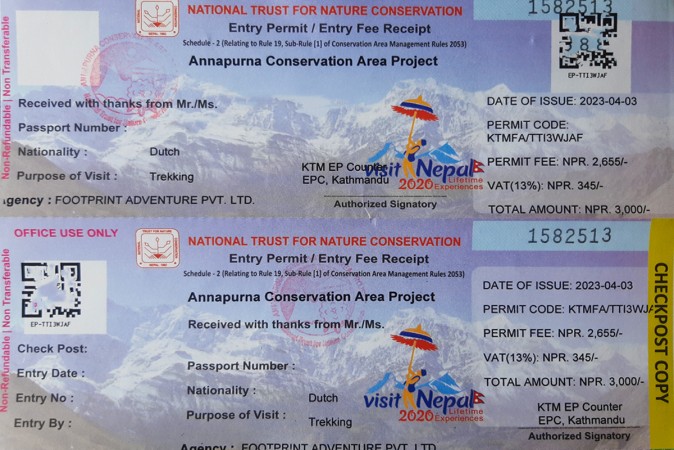
Documents - [ ] Passport + copies - [ ] Permits (TIMS + ACAP) - [ ] Travel insurance documents - [ ] Emergency contacts - [ ] Cash (NPR)
Electronics - [ ] Phone - [ ] Power bank - [ ] Charging cables - [ ] Camera (optional)
Q. What should I pack for the Mardi Himal Trek?
➤ Pack layered clothing (base layers, fleece, down jacket, rain shell), waterproof trekking boots, a 40–50L backpack, a warm sleeping bag, basic toiletries, a first-aid kit, permits, and enough cash for the trail, adjusted for the season you’re trekking in.
Q. Do I need a sleeping bag for Mardi Himal?
➤ Yes. While teahouses provide blankets, they’re often not warm enough for the cold nights at High Camp and Base Camp. A four-season sleeping bag rated to at least -10°C is recommended.
Q. What shoes are best for the Mardi Himal Trek?
➤ Waterproof trekking boots with ankle support and good grip are best, given the muddy, loose, and occasionally snowy sections of the trail. Break them in before the trek to avoid blisters.
Q. How cold does Mardi Himal get?
➤Temperatures at High Camp and Base Camp can drop below freezing at night, even outside of winter, while daytime temperatures on the lower trail are generally mild. Winter nights can fall well below -10°C.
Q. Can I rent trekking gear for Mardi Himal?
➤ Yes. Items like down jackets, sleeping bags, and trekking poles are commonly available to rent in Pokhara and Kathmandu, which is a practical option if you don’t already own suitable gear.
Q. How much luggage should I take for Mardi Himal?
➤ A self-carried pack is best kept under 12–15 kg, or under 5–7 kg if you’re only carrying a daypack with porter support. Keep only what you’ll realistically use on this specific trek.
Planning your Mardi Himal adventure?Contact Orbit Nepal Adventure to arrange your permits, licensed guide, transportation, and for a easier , budget friendly and adventerous trek.
📲 Contact us directly on WhatsApp: Chat with us on WhatsApp
🌐 Visit: orbitnepaladv.com
📧 Email: orbitnepaladv@gmail.com
💬 Whatshapp: 977-9841766021
Our Package : Madri Himal Trek