Thamel, Kathmandu, Nepal
Langtang Valley Trek Itinerary: A Complete Day-by-Day Guide to Trekking in Nepal
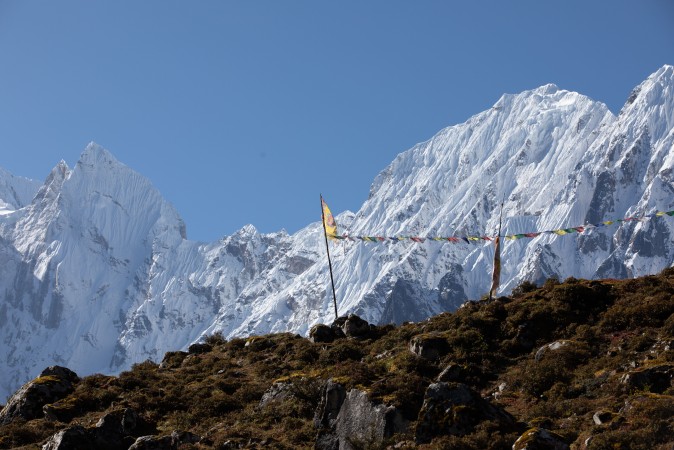
There's a moment on the trail above Lama Hotel, somewhere in the rhododendron and oak forest, where the Langtang Lirung massif first appears through the trees — and most first-time trekkers stop walking for a minute just to look. That's what this trek is built around: big Himalayan scenery, real Tamang mountain culture, and a comfortable route you can complete without needing three weeks off work.
The Langtang Valley Trek is a 7–8 day teahouse trek into the Langtang region north of Kathmandu, following the Langtang Khola upstream through forest, yak pasture, and glacial moraine to Kyanjin Gompa, a Tamang Buddhist village at the foot of Langtang Lirung (7,227m).
| Trek Feature | Details |
|---|---|
| Duration | 7–8 days on the trail (10–11 days incl. Kathmandu) |
| Maximum Elevation | 3,870m at Kyanjin Gompa; up to 4,984m on optional side trips |
| Difficulty | Moderate |
| Best Season | Spring (Mar–May) and Autumn (Sep–Nov) |
| Starts / Ends | Syabrubesi (road access from Kathmandu) |
| Approx. Distance | 65–77 km round trip |
Quick Trek Overview
| Feature | Details |
|---|---|
| Trekking Region | Langtang, north-central Nepal, bordering Tibet |
| Accommodation | Teahouses and lodges throughout |
| Trekking Permit | Langtang National Park Entry Permit + TIMS Card |
| Guide | Required by current regulation for this region |
| Transportation | Private jeep or local bus, Kathmandu–Syabrubesi |
Exact permit fees and regulations can change — confirm current details when you book with Orbit Nepal Adventure.
Is Langtang Valley Trek Right for You?
Choose Langtang if you want:
| If you want... | Consider... |
|---|---|
| Iconic Everest views | Everest Base Camp Trek |
| A shorter Himalayan adventure | Langtang Valley Trek |
| Dramatic Annapurna scenery | Annapurna Base Camp Trek |
| A remote, challenging route | Manaslu Circuit Trek |
| The shortest Himalayan taste | Ghorepani Poon Hill Trek |
Complete Day-by-Day Langtang Valley Trek Itinerary
Day 1: Kathmandu to Syabrubesi
|
Walking Distance |
None (driving day) |
|
Walking Time |
N/A — approx. 7–8 hrs by road |
|
Starting / Ending Elevation |
1,400m → 1,503m |
|
Accommodation |
Teahouse, Syabrubesi |
|
Meals |
Lunch, Dinner |
Today's Route: The trek begins with a drive out of the Kathmandu Valley through Trishuli Bazaar and Dhunche — the headquarters of Langtang National Park — before descending to Syabrubesi.
What You'll See: Terraced hillsides, the Trishuli River gorge, and first views of the Langtang range near Dhunche on a clear day.
Trekking Experience: A rest-your-legs day on a winding, sometimes rough road.
Overnight: Basic, comfortable teahouses with hot showers usually available for a small fee.
Pro Tip: Break the drive with a stop in Dhunche, where your national park permit is checked.
Day 2: Syabrubesi to Lama Hotel
|
Walking Distance |
Approx. 11–13 km |
|
Walking Time |
6–7 hours |
|
Starting / Ending Elevation |
1,503m → 2,380m |
|
Accommodation |
Teahouse, Lama Hotel |
|
Meals |
Breakfast, Lunch, Dinner |
Today's Route: The trail follows the Langtang Khola upstream through subtropical and temperate forest, crossing the river on suspension bridges as the valley narrows.
What You'll See: Waterfalls, langur monkeys, rhododendron and oak forest, and first glimpses of the Langtang Lirung ridgeline.
Trekking Experience: A long, gradual ascent with a few steeper switchbacks. Steady pace matters more than speed.
Overnight: A small lodge cluster; simple twin-share rooms warmed by a central stove.
Pro Tip: Start early — the lower forest section can be warm and humid before 10am.
Day 3: Lama Hotel to Langtang Village
|
Walking Distance |
Approx. 12–15 km |
|
Walking Time |
6–7 hours |
|
Starting / Ending Elevation |
2,380m → 3,430m |
|
Accommodation |
Teahouse, Langtang Village |
|
Meals |
Breakfast, Lunch, Dinner |
Today's Route: The trail continues upstream, opening into valley scenery near Ghodatabela before climbing into Langtang Village.
What You'll See: Mani walls, chortens, yak pasture, and constant views of Langtang Lirung. Langtang Village was rebuilt after a 2015 earthquake-triggered landslide and includes a memorial to those lost.
Trekking Experience: A steady climb of over 1,000m — altitude becomes noticeable for some trekkers from here.
Overnight: Rebuilt teahouses with dining halls and increasingly reliable solar power.
Pro Tip: This is a big single-day altitude gain — hydrate well and flag any symptoms to your guide early.
Day 4: Langtang Village to Kyanjin Gompa
|
Walking Distance |
Approx. 8–10 km |
|
Walking Time |
3–4 hours |
|
Starting / Ending Elevation |
3,430m → 3,870m |
|
Accommodation |
Teahouse, Kyanjin Gompa |
|
Meals |
Breakfast, Lunch, Dinner |
Today's Route: A shorter, gentler day past mani walls and yak pasture to Kyanjin Gompa.
What You'll See: Panoramic views of Langtang Lirung, Kimshung, and Yala Peak, plus the Langtang Glacier's moraine in the distance.
Trekking Experience: Deliberately short to support acclimatization ahead of tomorrow's rest day.
Overnight: The valley's widest range of teahouses, some with attached bathrooms and a local bakery.
Pro Tip: Visit the monastery and cheese factory in the afternoon once you've settled in.
Day 5: Acclimatization Day at Kyanjin Gompa
|
Walking Distance |
Variable, 6–10 km (optional excursion) |
|
Walking Time |
4–6 hours (optional) |
|
Elevation Range |
3,870m base, up to 4,984m on excursion |
|
Accommodation |
Kyanjin Gompa (2nd night) |
|
Meals |
Breakfast, Lunch, Dinner |
Today's Route: A built-in rest day using the "climb high, sleep low" strategy — most trekkers choose Kyanjin Ri, Tserko Ri, or the Langtang Glacier viewpoint.
What You'll See: The valley's best panoramic views, with sightlines toward the Tibetan border on a clear day.
Trekking Experience: Optional and self-paced — full rest is also a valid choice.
Pro Tip: Treat the Kyanjin Ri vs. Tserko Ri choice as a fitness decision, not an obligation.
Day 6: Kyanjin Gompa to Lama Hotel
|
Walking Distance |
Approx. 18–20 km |
|
Walking Time |
6–7 hours |
|
Starting / Ending Elevation |
3,870m → 2,380m |
|
Meals |
Breakfast, Lunch, Dinner |
Today's Route: A long descent retracing the ascent route back to Lama Hotel.
Trekking Experience: Long and knee-testing; trekking poles help on the steeper sections.
Pro Tip: Descending fast usually brings quick relief from any altitude symptoms.
Day 7: Lama Hotel to Syabrubesi
|
Walking Distance |
Approx. 11–13 km |
|
Walking Time |
4–5 hours |
|
Starting / Ending Elevation |
2,380m → 1,503m |
|
Meals |
Breakfast, Lunch, Dinner |
Today's Route: The final forest descent back to Syabrubesi.
Pro Tip: Consider a porter for the final stretch if your legs are tired.
Day 8: Syabrubesi to Kathmandu
|
Travel |
Approx. 7–8 hrs by road |
|
Meals |
Breakfast, Lunch |
The return drive to Kathmandu, retracing Day 1's route. Build in a time buffer if you have a same-day flight, especially in monsoon.
Watch the Trail Climb: Elevation Profile
Kathmandu (1,400m) → Syabrubesi (1,503m) → Lama Hotel (2,380m) → Langtang Village (3,430m) → Kyanjin Gompa (3,870m) → Acclimatization excursion (up to 4,984m) → Lama Hotel (2,380m) → Syabrubesi (1,503m) → Kathmandu (1,400m)
The steepest single-day gain is Day 3 (Lama Hotel to Langtang Village, ~1,050m) — the day to pace deliberately.
Best Time to Trek
|
Season |
Conditions |
Rating |
|
Spring (Mar–May) |
Warming temps, rhododendrons in bloom, generally stable |
🟢 Excellent |
|
Autumn (Sep–Nov) |
Clearest skies, most popular season |
🟢 Excellent |
|
Winter (Dec–Feb) |
Cold, icy trails higher up, fewer crowds |
🟡 Possible with considerations |
|
Monsoon (Jun–Aug) |
Wet trails, leeches, reduced visibility |
🔴 Less favorable |
Permits and Preparation
Required: Langtang National Park Entry Permit (typically ~NPR 3,000 for foreign nationals) and the TIMS Card.
Fees and rules can change — Orbit Nepal Adventure arranges all permits as part of a guided package. See our Nepal Trekking Permits Guide for a full regional breakdown.
Accommodation, Food & Hydration
Teahouses throughout, with twin-share rooms, mostly shared bathrooms, paid hot showers and charging, and solar-based electricity above Lama Hotel. Menus feature dal bhat, momos, noodles, pasta, soups, Tibetan bread, eggs, and porridge, with wide vegetarian availability. Regular hydration is one of the simplest ways to reduce altitude-related risk.
Packing Checklist
|
Clothing |
Gear |
Health |
Documents |
|
☐ Boots |
☐ Sleeping bag |
☐ Sunscreen |
☐ Passport copies |
Altitude and Safety
The trek reaches high enough that altitude sickness is a genuine consideration. The itinerary manages this with a gradual ascent, a built-in acclimatization day, and guides trained to recognize early symptoms. Mild symptoms are common and manageable with rest and hydration; symptoms that worsen require immediate descent.
No itinerary can guarantee prevention always follow your guide's assessment and current medical advice.
What's Included in the itinerary ?
|
✓ Licensed guide |
✕ International flights |
Kyanjin Gompa: The Valley's Highlight
Kyanjin Gompa (3,870m) is where the trek earns its reputation a Tamang Buddhist settlement surrounded on three sides by glaciated peaks, including Langtang Lirung (7,227m). Highlights include the centuries-old monastery, close-up glacier scenery at the terminal moraine, a working yak-cheese factory, and the launch point for Kyanjin Ri and Tserko Ri. Most itineraries build in one acclimatization day here; trekkers with flexible schedules often find a second night worthwhile.
Optional Side Trips
|
Destination |
Walking Time |
Difficulty |
Best For |
|
Kyanjin Ri |
3–4 hrs round trip |
🟡 Moderate |
Strong views without a full-day commitment |
|
Tserko Ri |
6–7 hrs round trip |
🔴 Challenging |
Fitter trekkers acclimatizing well |
|
Langtang Glacier Viewpoint |
3–5 hrs round trip |
🟢 Easy–Moderate |
Families, slower-paced groups |
Langtang Valley Trek Difficulty
Graded moderate: 65–77 km, ~3,500m of cumulative elevation change, two nights above 3,800m. Manageable for prepared beginners, not casual.
Can You Handle Langtang? Quick Self-Check
☐ I can comfortably walk 5–7 hours in a day
☐ I am comfortable hiking uphill for sustained periods
☐ I can handle several consecutive trekking days
☐ I understand altitude requires a gradual ascent
☐ I have suitable trekking boots and layered clothing
Fitness and acclimatization matter far more than speed.
Langtang vs Other Nepal Treks
|
Trek |
Duration |
Difficulty |
Max Elevation |
Crowds |
Best For |
|
Langtang Valley |
7–8 days |
Moderate |
3,870m |
Low–Moderate |
Shorter trip with culture |
|
12–14 days |
Challenging |
5,364m |
High |
Bucket-list trek |
|
|
7–10 days |
Moderate–Challenging |
4,130m |
High |
Scenery-focused, shorter trek |
|
|
14–16 days |
Challenging |
5,160m |
Low |
Remote adventure |
|
|
4–6 days |
Moderate |
4,500m |
Low–Moderate |
Short Himalayan taste |
|
|
4–5 days |
Easy–Moderate |
3,210m |
Moderate–High |
Beginners, families |
Why Trek with Orbit Nepal Adventure?
Local expertise, experienced guides trained in altitude management, personalized itineraries, a safety-first approach to acclimatization, transparent communication about what's included, and support before and during your trek.
Responsible Tourism
Frequently Asked Questions
Q. How many days is the Langtang Valley Trek?
➔ Most itineraries run 7–8 days on the trail, or 10–11 days total including Kathmandu. It can be shortened or extended with side routes like Gosainkunda or the Tamang Heritage Trail.
Q. Is Langtang Valley Trek difficult?
➔ It's graded moderate : 4–7 hours of walking most days, significant altitude gain, and two nights above 3,800m. Manageable for prepared beginners, but not effortless.
Q. What is the highest point of the Langtang Trek?
➔ Kyanjin Gompa at 3,870m on the standard itinerary; optional Kyanjin Ri and Tserko Ri reach approximately 4,773m and 4,984m.
Q. Is Langtang suitable for beginners?
➔ Yes, with proper preparation. Trekkers with reasonable fitness and no prior high-altitude experience regularly complete it successfully.
Q. What is the best month for Langtang Trek?
➔ Spring (March–May) and autumn (September–November) offer the most stable weather and clearest views. Winter suits cold-tolerant trekkers seeking solitude; monsoon is generally least favorable.
Q. Do I need a guide for Langtang Valley Trek?
➔ Yes , current regulations require a licensed guide for foreign trekkers in this region.
Q. How much does the Langtang Trek cost?
➔ Costs may vary by operator, group size, and season. Contact Orbit Nepal Adventure for current pricing.
Q. Is Wi-Fi available during the trek?
➔ Yes, in most teahouses for a fee, generally more reliable lower in the valley.
Q. Can I trek Langtang Valley solo?
➔ No, Fully independent trekking without a guide is no longer permitted under current regulations, though you can trek with just one guide.
Q. What kind of accommodation is available?
➔ Teahouses with simple twin-share rooms, shared or occasionally attached bathrooms, and communal dining rooms throughout the valley.
Q. What permits are required?
➔ The Langtang National Park Entry Permit and TIMS Card are both mandatory; your operator can arrange both.
Q. Is Langtang Valley less crowded than Everest Base Camp?
➔ Generally yes, particularly outside peak autumn weeks.
Q. What should I pack?
➔ Layered clothing, broken-in trekking boots, a warm sleeping bag or liner, trekking poles, and standard trail essentials see the full checklist above.
Q. Can the itinerary be customized?
➔ Yes , pace, side trips, and extensions can all be adjusted. Contact Orbit Nepal Adventure to build a custom version.
Ready for your Langtang Village Trek ? Contact Orbit Nepal Adventure today for customized itineraries for easier and adventurous trek.
📲 Contact us directly on WhatsApp: Chat with us on WhatsApp
🌐 Visit: orbitnepaladv.com
📧 Email: orbitnepaladv@gmail.com
💬 Whatshapp: 9779841766021